
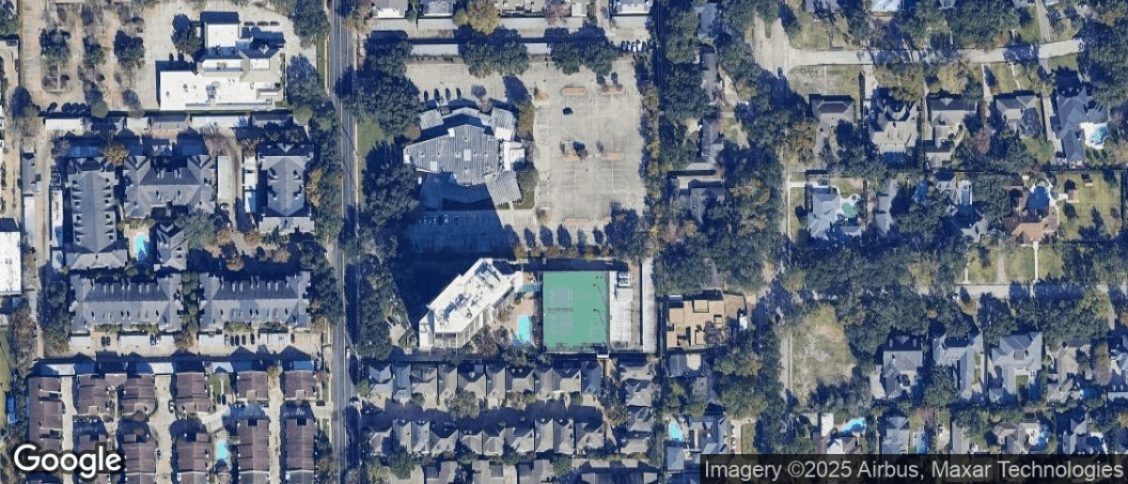
Greater Uptown, located in the heart of Houston, Texas, is one of the city’s most vibrant and bustling areas. Known for its upscale shopping, dining, and entertainment options, it attracts a diverse mix of residents and visitors alike. The area offers a rich blend of urban conveniences and residential comforts, but as with any neighborhood, it has its pros and cons. While many praise its vibrant lifestyle and proximity to key parts of Houston, others point out challenges such as traffic congestion and high living costs. So, is Greater Uptown a nice place to live? Let’s dive into what this area has to offer potential residents.
Is Greater Uptown safe?
When it comes to safety, Greater Uptown has a fairly positive reputation. Most locals feel comfortable walking around during the day, enjoying the area’s many boutiques and cafes. However, like any urban area, it’s wise to remain vigilant, especially at night. The presence of high-end shopping centers and luxury residences does contribute to a generally secure atmosphere with regular patrols and security measures in place. Still, it’s always a good idea to check current safety reports and local news before making any decisions.
Is Greater Uptown a nice place to live for families?
Greater Uptown offers a compelling environment for families, blending convenience with community spirit. Here’s a breakdown:
School Quality
The quality of schools is often a top consideration for families, and Greater Uptown offers some strong options. Elementary schools like Condit Elementary, Kolter Elementary, and River Oaks Elementary are known for their educational excellence. For middle and high school students, institutions such as T H Rogers School, Cornerstone Academy, and Pin Oak Middle School provide commendable education. Additionally, there’s a wide selection of private schools for those looking for alternative educational environments.
Family-Oriented Amenities
The area is packed with family-friendly amenities. Parks such as Tanglewood Park offer great recreational facilities with playgrounds suitable for children. You’ll find community centers with activities for kids of all ages, making it easy to find something fun and engaging for the little ones.
Community Atmosphere
Despite being a bustling urban area, Greater Uptown retains a sense of community. Various neighborhood events, from local markets to seasonal festivals, help foster a welcoming atmosphere. It’s a great place for families who enjoy being part of a vibrant community while having access to urban perks.
Is Greater Uptown expensive?
Living in Greater Uptown can be quite an investment. The average house price sits at around $395,000, which is notably higher than the state average. Certain areas, like Piney Point and Hunters Creek Village, are particularly pricey, offering luxurious homes set in beautiful settings. In contrast, neighborhoods such as Woodlake-Briarmeadow and Gulfton offer more affordable housing options. Renting is also common here, as many residents are drawn to the flexibility it offers. The average rent of $1,800 reflects the area’s desirability and urban convenience. Those looking for more budget-friendly alternatives might consider nearby areas like Fort Bend, which provide a balance between cost and amenities.
What transport links are there?
Greater Uptown is well-connected through a variety of transport options. Houston’s METRO system runs several bus routes through the area, making it convenient for those relying on public transportation. The proximity to major roads such as I-610 and US-59 means that driving is a popular choice, despite frequent traffic jams. Commuters to downtown Houston or other nearby cities often find the connectivity appealing, although they should be prepared for typical urban traffic.
What amenities are available in Greater Uptown?
Amenity-wise, Greater Uptown is a hub of activity. The area boasts an impressive selection of restaurants, ranging from casual spots like Chipotle Mexican Grill to more refined dining experiences at places like Latin Bites. There are several grocery stores, including well-stocked supermarkets like H-E-B, ensuring residents have easy access to all their essentials. Health facilities, including doctors, pharmacies, and dentists, are readily available, adding to the area’s convenience. With multiple gyms, salons, and even a library, it’s easy to see why many find Greater Uptown an attractive place to live.
What is the surrounding outdoor area like?
For those who enjoy the outdoors, Greater Uptown has much to offer. Local parks such as Tanglewood Park provide lush green spaces for relaxation and recreation. Grady Park is another great spot, perfect for a casual stroll or a family picnic. The area is not far from the beautiful countryside of Texas, allowing for weekend getaways to more natural settings.
So, what’s the verdict?
Greater Uptown is a dynamic and attractive area with much to offer, from excellent amenities and schools to vibrant community activities. While the cost of living and traffic are notable drawbacks, many find the benefits outweigh these challenges. For those seeking a lively urban lifestyle with a touch of suburban comfort, Greater Uptown might just be the perfect fit.
What are the alternatives?
If Greater Uptown doesn’t fit your needs, nearby areas like Fort Bend or Sugar Land offer alternative living experiences. Fort Bend provides a more suburban feel with lower housing costs, while Sugar Land mixes family-friendly environments with some urban amenities. Consider what you prioritize—be it cost, convenience, or community—and explore these alternatives to find your best match.


