
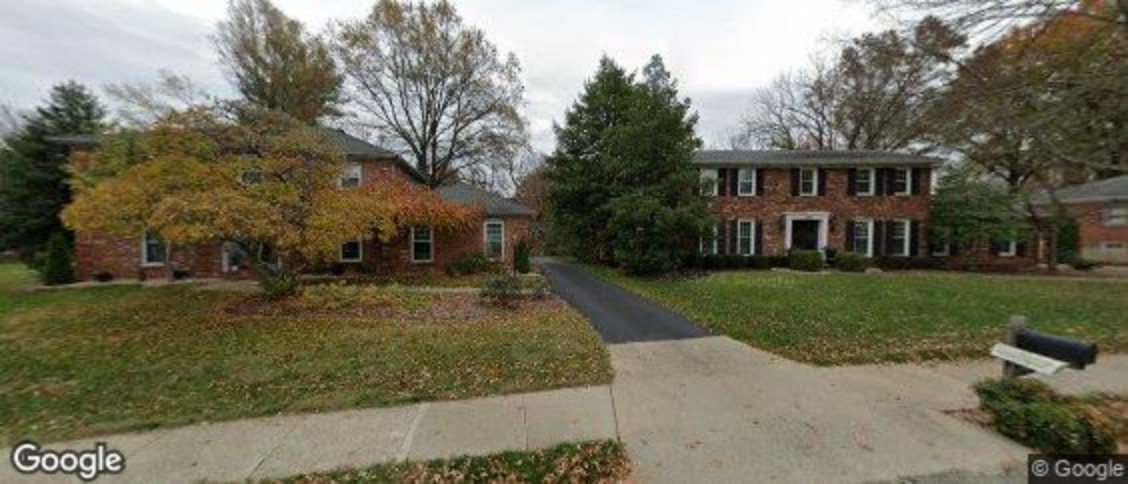
Douglass Hills, a small suburban city in Jefferson County, Kentucky, sits about 15 miles east of downtown Louisville. This community of roughly 5,700 residents offers a quiet residential experience with tree-lined streets and well-maintained homes. Established in the 1970s, the area has developed a reputation as a stable, middle-class neighborhood with good schools and reasonable commuting distance to Louisville’s employment centers.
The community features primarily single-family homes on modest lots, creating a classic suburban feel. While many residents appreciate the peaceful atmosphere and family-friendly amenities, some note the lack of walkability to commercial areas and limited local entertainment options as drawbacks.
Douglass Hills maintains its own city government, providing residents with local control over services and development. The community strikes a balance between suburban comfort and accessibility to Louisville’s broader offerings.
Is Douglass Hills safe?
Douglass Hills enjoys a reputation as one of the safer suburbs in the Louisville metro area. Residents frequently cite safety as one of the primary reasons they choose to live here. The neighborhood experiences significantly lower crime rates than Louisville as a whole, particularly for violent offenses.
Property crimes occasionally occur, with package theft and car break-ins being the most commonly reported incidents. The Dell Road area has seen occasional property crime reports, though these remain relatively infrequent.
The community benefits from its own police department, providing dedicated patrols throughout the neighborhood. Response times are typically quick, and officers maintain a visible presence in residential areas.
Many residents participate in neighborhood watch programs, contributing to the area’s overall safety profile. The community’s active Facebook group often serves as an informal alert system for suspicious activity.
Is Douglass Hills a nice place to live for families?
Douglass Hills has earned a solid reputation as a family-oriented community. About 30% of households include children under 18, creating a neighborhood where families can easily connect with others at similar life stages.
Schools
Families in Douglass Hills have access to several well-regarded public schools. Elementary students typically attend Stopher Elementary, which consistently earns high ratings for its academic programs and parent involvement. The school offers strong STEM initiatives and maintains smaller class sizes than many other Jefferson County schools.
For middle school, most students attend Crosby Middle School, which provides solid academic foundations though has occasionally faced challenges with overcrowding. The school’s music program receives particular praise from parents.
Eastern High School serves Douglass Hills teenagers and is considered one of the better public high schools in Jefferson County. Its AP program and extracurricular offerings are extensive, though competition for spots on sports teams can be fierce due to the school’s size.
Families seeking private education have numerous options within a 15-minute drive, including Christian Academy of Louisville and Walden School, though these fall outside Douglass Hills proper.
Family Activities
Warren Walker Park serves as the community’s recreational hub, featuring playgrounds, tennis courts, and open green spaces. The neighborhood pool, operated by the Douglass Hills Swim Club (membership required), becomes the social center during summer months.
The city organizes several family-friendly events throughout the year, including an Easter egg hunt, Fourth of July celebration, and fall festival. The relatively low-traffic streets make for safe bike riding for children, a feature many families appreciate.
Is Douglass Hills expensive?
Housing in Douglass Hills falls into the mid-to-upper range for the Louisville metro area. The typical home price hovers around $370,000, making it more expensive than many other Jefferson County neighborhoods but considerably more affordable than nearby upscale communities like Anchorage or Hurstbourne.
Home styles vary from 1970s ranches to larger two-story colonials built in the 1980s and 1990s. Properties on the neighborhood’s north side, particularly near Hurstbourne Parkway, tend to command higher prices due to larger lot sizes and proximity to shopping.
The rental market is limited, as Douglass Hills consists primarily of owner-occupied homes. When rentals do become available, they typically command around $1,200 monthly for a three-bedroom home, somewhat higher than the Louisville average.
For buyers seeking more affordable options, nearby Blue Ridge Manor offers similar suburban appeal with average prices around $235,000. Those willing to trade newer construction for lower prices might consider the Sycamore area, where homes can be found for under $200,000.
Property taxes run slightly higher than surrounding areas due to the city’s dedicated services, adding approximately $300-500 annually to housing costs compared to unincorporated parts of Jefferson County.
What transport links are there?
Douglass Hills’ transportation profile is decidedly car-centric. The neighborhood enjoys excellent access to major roadways, with Hurstbourne Parkway bordering its western edge and I-64 just minutes to the north. Downtown Louisville is typically a 20-25 minute drive, while reaching Louisville International Airport takes approximately 15-20 minutes in normal traffic.
Public transportation options are limited. TARC (Transit Authority of River City) operates Route 31, which runs along Hurstbourne Parkway with stops near Douglass Hills, but service frequency is limited primarily to rush hours. Most residents find owning a car essential.
The neighborhood lacks dedicated bike lanes, though some residents do cycle for recreation on the quieter residential streets. Sidewalks are present throughout most of the community, making walking within the neighborhood relatively easy, but walking to commercial areas requires navigating busy thoroughfares.
For commuters working in downtown Louisville, Douglass Hills represents a reasonable compromise between suburban living and commute time, with most residents reporting 20-30 minute commutes during rush hour.
What amenities are available in Douglass Hills?
While Douglass Hills itself is primarily residential, numerous amenities surround the community. The Shelbyville Road corridor, just minutes away, offers extensive shopping and dining options.
Restaurant choices near Douglass Hills provide decent variety. Local favorites include Mark’s Feed Store for barbecue and LouVino for wine enthusiasts seeking small plates in an upscale setting. El Toro Mexican Restaurant serves as a casual family dining option, while Scooter’s Coffee provides a drive-through alternative to the usual chains.
For those seeking evening entertainment, options within Douglass Hills proper are limited. Mr G’s Bar & Grill offers a neighborhood sports bar atmosphere, but residents typically drive to St. Matthews or downtown Louisville for more diverse nightlife.
Daily conveniences are well-covered with a Kroger grocery store, Walgreens pharmacy, and various service businesses located just outside neighborhood boundaries. Healthcare needs are served by a handful of medical practices in the area, with major hospital facilities about 15 minutes away.
Fitness enthusiasts can access a local gym, and yoga studios provide additional wellness options. Families with pets appreciate the multiple veterinary practices nearby, reflecting the pet-friendly nature of the community.
What is the surrounding outdoor area like?
Warren Walker Park serves as Douglass Hills’ primary green space, offering 7.5 acres with walking paths, playgrounds, and sports facilities. The park hosts community events and provides a gathering place for residents of all ages.
For more extensive outdoor experiences, E.P. “Tom” Sawyer State Park lies just 10 minutes north, featuring 550 acres with athletic fields, tennis courts, and miles of walking trails. Charlie Vettiner Golf Course, about 15 minutes southeast, offers public golfing.
The nearby Parklands of Floyds Fork, a 4,000-acre linear park system, provides exceptional hiking, biking, and paddling opportunities within a 20-minute drive. Beckley Creek Park, the northernmost section, is closest to Douglass Hills.
While Douglass Hills lacks dramatic natural features within its boundaries, its location provides reasonable access to Kentucky’s diverse outdoor offerings, with the Bernheim Arboretum and Research Forest about 30 minutes south.
So, what’s the verdict?
Douglass Hills delivers solid suburban comfort with good schools, low crime, and well-maintained properties. It’s neither the most exciting nor the most picturesque Louisville suburb, but it offers reliability, convenience, and community stability. For families prioritizing educational quality and safety over walkability or unique character, Douglass Hills represents a sensible choice in the Louisville metro housing market.
What are the alternatives?
Buyers considering Douglass Hills might also explore Middletown, which offers similar safety and school quality with more shopping and dining options integrated into the community. St. Matthews provides a more walkable environment with established charm but at generally higher price points. For those seeking newer construction, Prospect offers upscale homes and excellent schools but with considerably longer commutes to Louisville’s center and higher price tags. Budget-conscious buyers might consider Jeffersontown, which offers more housing diversity and similar suburban feel at lower average prices.


