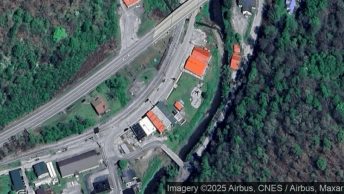
Albany, Kentucky might not be on everyone’s radar when considering a move, but this small town tucked away in Clinton County offers a distinctive blend of rural charm and community-focused living. With a population hovering around 2,000 residents, Albany serves as the county seat and provides that quintessential small-town American experience that’s becoming increasingly rare. The town struggles with limited economic opportunities and amenities that larger cities take for granted, but counters with affordability, tight-knit community bonds, and proximity to beautiful natural landscapes like Dale Hollow Lake and Lake Cumberland. Before you pack your bags for this southeastern Kentucky town, let’s dive into what daily life here actually looks like.
Is Albany safe?
Albany generally enjoys a reputation as a safe community where many residents leave their doors unlocked – a practice unthinkable in metropolitan areas. The crime rate sits well below the Kentucky state average, particularly for violent offenses.
The town’s small size contributes significantly to its safety profile. With fewer people and a community where “everybody knows everybody,” criminal activity becomes much harder to conceal.
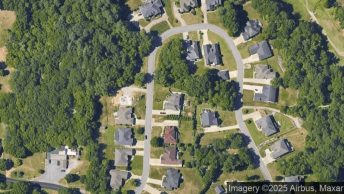
The Browns Crossroads area and Highway section stand out as particularly secure neighborhoods. Local law enforcement maintains a visible presence despite limited resources, and response times benefit from the compact nature of the town.
Property crimes occasionally occur, though they’re typically opportunistic rather than organized. The Alpha community also enjoys a reputation for safety and neighborly vigilance.
As one local resident put it, “You’re more likely to get talked to death at the grocery store than experience any real crime here.”
Is Albany a nice place to live for families?
Albany offers a traditional small-town environment for raising children, with both advantages and limitations that come with rural family life.
Schools
The Clinton County school system serves Albany’s educational needs, with all schools located within easy reach. Albany Elementary School provides education for younger students and enjoys a decent reputation among locals.
Clinton County Middle School and Clinton County High School offer the standard curriculum, though they lack some of the advanced placement and specialized programs found in larger districts. The student-to-teacher ratio is favorable, allowing for more personalized attention.
The Clinton County Early Childhood Center provides pre-K education, which many parents appreciate as giving their children a head start.
The Clinton County Area Technology Center offers vocational training opportunities for high schoolers interested in trades and technical careers – a practical option for students not pursuing college.
A notable drawback is the absence of private school options within Albany itself. Families seeking alternative education typically look toward Somerset or Bowling Green, both requiring significant commutes.
Family Activities
Albany’s family-friendly amenities are modest but meaningful. The local park offers basic playground equipment and sports facilities. The annual Clinton County Fair brings the community together with agricultural exhibits, rides, and competitions.
Many family activities center around outdoor recreation, church events, and school functions. Youth sports leagues are popular and well-attended community events.
For expanded entertainment options, families typically travel to larger towns on weekends, as Albany itself has limited dedicated family attractions.
Is Albany expensive?
One of Albany’s most compelling attributes is its affordability. Housing costs sit substantially below both state and national averages, making homeownership accessible to many working-class families.
The average home price hovers around $150,000, roughly 22% lower than Kentucky’s state average. This affordability extends across most neighborhoods, though there are still price variations worth noting.
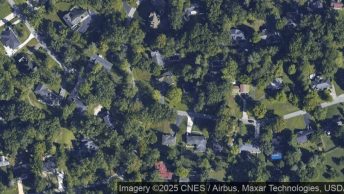
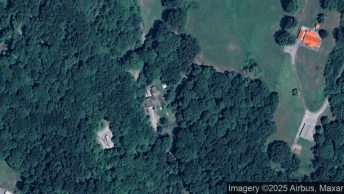
The West Hills area commands the highest prices, with homes occasionally reaching the $470,000 range for larger properties with acreage. Norwood similarly attracts higher prices, typically around $295,000 for well-maintained homes.
Budget-conscious buyers often look toward areas like West Haven Village, where decent homes can be found for around $290,000. Inskip offers even more affordable options, with average prices near $235,000.
For renters, Albany presents an attractive proposition. Monthly rents average around $600, significantly below state norms. Most properties are single-family homes or small apartment buildings, with few large apartment complexes available.
The housing market in Albany moves slower than in more competitive areas, giving buyers the advantage of time when making decisions. Available inventory can be limited, however, so patience might be necessary when seeking specific home features.
What transport links are there?
Transportation in Albany centers almost exclusively around private vehicle ownership. Public transportation is essentially non-existent, making a reliable car a necessity rather than an option.
The town sits at the intersection of Highways 127 and 90, providing reasonable access to regional routes. Highway 127 connects north toward Jamestown and south toward Tennessee, while Highway 90 runs east-west across southern Kentucky.
Commuters working outside Albany face drives of 30+ minutes to neighboring towns. Nashville lies about two hours southwest, and Lexington approximately two hours north, making day trips feasible but regular commuting challenging.
The absence of rideshare services like Uber or Lyft further emphasizes the need for personal transportation. Some local churches and community organizations offer informal transportation assistance for elderly or disabled residents.
The nearest commercial airports are Nashville International Airport (about 120 miles) and Lexington’s Blue Grass Airport (approximately 110 miles), making air travel a significant undertaking.
What amenities are available in Albany?
Albany offers basic amenities that cover essential needs, though variety is limited. The dining scene consists primarily of fast-food options like McDonald’s, Burger King, Dairy Queen, and Sonic Drive-In.
Local favorite Dos Amigos Mexican Restaurant provides a sit-down dining experience, while Lee’s Famous Recipe Chicken offers a regional fast-casual option popular with locals.
For grocery shopping, residents rely on Dollar General Market and Save A Lot for everyday needs. Super City Mart serves as a convenient option for quick purchases. For more extensive shopping options, many residents make monthly trips to Somerset or Bowling Green.
Healthcare services include several doctor’s offices and two pharmacies, though specialized medical care requires travel to larger cities. The town has a fitness center, hair salon, barber shop, and laundromat meeting basic service needs.
The local post office serves as both a practical amenity and informal community gathering spot. Banking services are available through local and regional institutions.
Entertainment options are minimal, with community events, church activities, and outdoor recreation filling the void of commercial entertainment venues.
What is the surrounding outdoor area like?
The natural environment surrounding Albany represents one of its strongest assets. The town sits within easy reach of multiple lakes and outdoor recreation areas that attract visitors from across the region.
Dale Hollow Lake, just 15 miles away, offers premier fishing, boating, and camping opportunities. Lake Cumberland, slightly further at about 30 miles, provides additional water recreation options on a larger scale.
Mountain View Park in Albany itself features walking trails, picnic areas, and sports facilities. The nearby Daniel Boone National Forest, though requiring a drive, presents extensive hiking, hunting, and wildlife viewing opportunities.
The rolling hills and farmland surrounding Albany create scenic drives and peaceful rural vistas. Seasonal outdoor activities include mushroom hunting in spring, fishing throughout the warmer months, and hunting in fall and winter.
The natural beauty of the area serves as both recreation space and a significant component of local identity and culture.
So, what’s the verdict?
Albany offers an authentic small-town experience increasingly difficult to find in modern America. Its strengths lie in affordability, safety, community connections, and natural beauty. Its weaknesses include limited economic opportunity, minimal amenities, and isolation from larger service centers.
For those seeking escape from urban pressures and willing to embrace a slower-paced lifestyle with fewer conveniences, Albany could provide a satisfying home. Those requiring diverse dining, shopping, entertainment, or specialized services will likely find the town too limiting.
What are the alternatives?
Those drawn to Albany’s general area but wanting more amenities might consider Somerset, about 45 minutes north. Somerset offers expanded shopping, dining, and healthcare while maintaining reasonable affordability and access to Lake Cumberland.
Glasgow, located an hour northwest, provides a middle ground with a population of around 14,000, more diverse employment opportunities, and better amenities while retaining small-town character.
For those prioritizing access to outdoor recreation similar to Albany but wanting slightly more conveniences, Jamestown near Lake Cumberland combines natural beauty with a modestly expanded service sector.