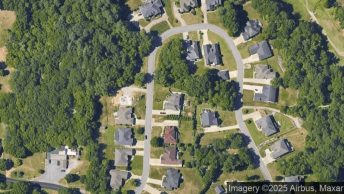
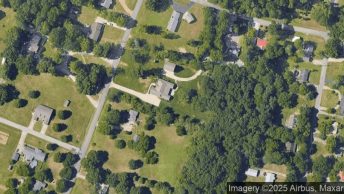
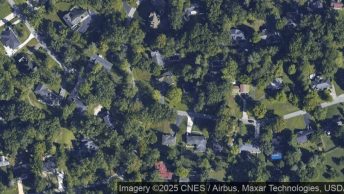
Butler, Kentucky is a small rural city located in Pendleton County, approximately 35 miles south of Cincinnati, Ohio. With a population hovering around 600 residents, this tiny community offers a distinctly different pace from urban living. Butler sits along the Licking River, providing natural beauty, but also comes with the challenges typical of many small rural Kentucky towns – limited amenities, fewer job opportunities, and some infrastructure issues that longtime residents have learned to navigate.
The community maintains strong ties to its agricultural roots, with many families having lived in the area for generations. While offering peaceful country living and tight-knit community bonds, Butler faces economic challenges that impact overall quality of life for residents.
Is Butler safe?
Butler generally enjoys the safety benefits typical of small rural communities where neighbors know each other. Violent crime remains relatively rare compared to larger urban areas, though property crimes do occur periodically.
The community’s small size means there’s no dedicated police department – instead, Butler relies on the Pendleton County Sheriff’s Department for law enforcement coverage, which can sometimes mean longer response times during emergencies.
Locals report feeling generally safe walking around town, even after dark. The community’s close-knit nature means unusual activities tend to get noticed quickly by residents who look out for one another.
Drug-related issues have affected Butler like many rural Kentucky communities, though less severely than some neighboring areas. The opioid crisis has touched the region, but community awareness programs have helped address these challenges.
Traffic safety concerns exist along some of the winding country roads surrounding Butler, particularly during winter weather conditions when maintenance can be delayed on secondary routes.
Is Butler a nice place to live for families?
Butler offers families a traditional small-town upbringing with both advantages and limitations. The strong sense of community means children often grow up knowing their neighbors and experiencing a freedom to explore that’s increasingly rare in urban settings.
Schools
Northern Elementary School serves Butler’s youngest students and maintains a solid reputation among locals. The small class sizes allow for more individualized attention, though the school faces resource limitations common to rural districts.
Older students attend Phillip Sharp Middle School, which serves the broader county. Academic performance here has been mixed in recent years, with some parents expressing concerns about limited advanced course offerings and extracurricular activities compared to larger districts.
High school students must travel to Pendleton County High School in Falmouth, approximately 15 minutes away. The commute creates challenges for participation in after-school activities, though the school offers standard college preparatory courses.
Families seeking private education options generally look toward Cincinnati suburbs, as there are no private schools in Butler itself. This requires significant commuting commitment from parents.
Family Activities
Butler’s City Park provides basic recreational facilities including a playground and open spaces for children to play. The park hosts occasional community events, though facilities are limited compared to larger towns.
The nearby Licking River offers fishing opportunities, though formal riverside parks are minimal. Families often create their own entertainment through church activities, youth sports organized at the county level, and backyard gatherings.
Many families mention needing to travel to neighboring communities for organized children’s activities like dance classes, competitive sports leagues, or arts programs.
Is Butler expensive?
Housing costs in Butler remain significantly lower than Kentucky urban centers and especially compared to nearby Cincinnati suburbs. The average home price hovers around $235,000, though this represents an increase in recent years as some city-dwellers seek more affordable rural options.
Properties closer to the Licking River or with larger acreage command premium prices, sometimes reaching toward $500,000 for the most desirable locations with river views and substantial land.
More modest homes in the central part of Butler can be found in the $180,000-$260,000 range, making homeownership accessible to middle-income families compared to metropolitan areas.
Housing inventory remains extremely limited due to Butler’s small size. When properties do become available, they often sell quickly, particularly those in move-in ready condition.
Rental options are scarce in Butler proper, with very few apartment buildings or dedicated rental properties. Most rentals are single-family homes, and availability is unpredictable. Rent prices run slightly lower than state averages, reflecting the rural location and distance from major employment centers.
Utility costs can run higher than urban areas, particularly for homes using propane heating during winter months. Many residents cite the importance of budgeting for these seasonal expenses.
What transport links are there?
Transportation in Butler revolves almost exclusively around private vehicle ownership. There is no public transportation system serving the community directly.
The nearest interstate access is I-275 approximately 25 minutes away, which connects to Cincinnati. State Route 27 runs through Butler, providing the main connection to neighboring communities.
Commuters to Cincinnati face approximately 45-60 minute drives each way, with limited carpooling options. During winter weather, these commutes can become significantly longer due to the rural nature of connecting roads.
There are no taxi services based in Butler, and rideshare availability (Uber/Lyft) is extremely limited and unreliable. Residents typically plan around these transportation limitations.
For those without vehicles, transportation options are severely restricted, creating challenges for elderly residents or those unable to drive.
What amenities are available in Butler?
Butler’s amenities reflect its small-town status, with basic necessities available but limited selection. The Butler Market serves as the primary grocery option, offering essentials but with a smaller selection and sometimes higher prices than larger supermarkets in neighboring communities.
The Kentucky Millstone restaurant provides home-style cooking in a casual setting, serving as both a dining option and community gathering spot. For more diverse dining options, residents typically travel to nearby larger towns.
Butler has a post office and a small library branch with limited hours. Banking services are available through a local branch, though with fewer services than larger locations.
Healthcare facilities in Butler itself are minimal. Residents typically travel to Falmouth or further to Georgetown or Cincinnati for medical care beyond the most basic services. This distance to healthcare is frequently cited as a significant drawback for elderly residents.
The lack of shopping options means most residents make weekly trips to larger communities for clothing, household goods, and other non-grocery purchases.
What is the surrounding outdoor area like?
The natural surroundings represent one of Butler’s strongest assets. The Licking River provides fishing, kayaking, and canoeing opportunities, though public access points are limited.
City Park offers basic recreation facilities within town limits, but more extensive outdoor activities require traveling to nearby state parks or conservation areas.
The surrounding countryside features gently rolling hills and farmland, creating scenic drives and opportunities for wildlife observation. Hunting is popular in season on private lands with permission.
Hiking trails are limited in the immediate vicinity, with most outdoor enthusiasts traveling to A.J. Jolly Park in Campbell County or further to state parks for developed trail systems.
So, what’s the verdict?
Butler offers affordable, quiet country living with strong community connections but comes with significant trade-offs in terms of amenities, services, and employment opportunities. It’s best suited for those who value rural tranquility, have reliable transportation, and don’t mind driving for shopping, healthcare, and entertainment.
What are the alternatives?
Falmouth, the Pendleton County seat, offers slightly more amenities while maintaining a small-town feel, though it faces similar economic challenges. Alexandria in Campbell County provides more suburban conveniences while still offering some rural character, though with higher housing costs. For those wanting similar affordability but more services, towns like Williamstown offer expanded options while maintaining distance from urban centers.