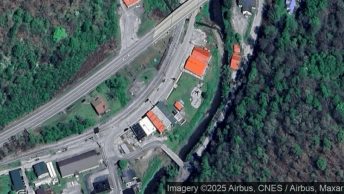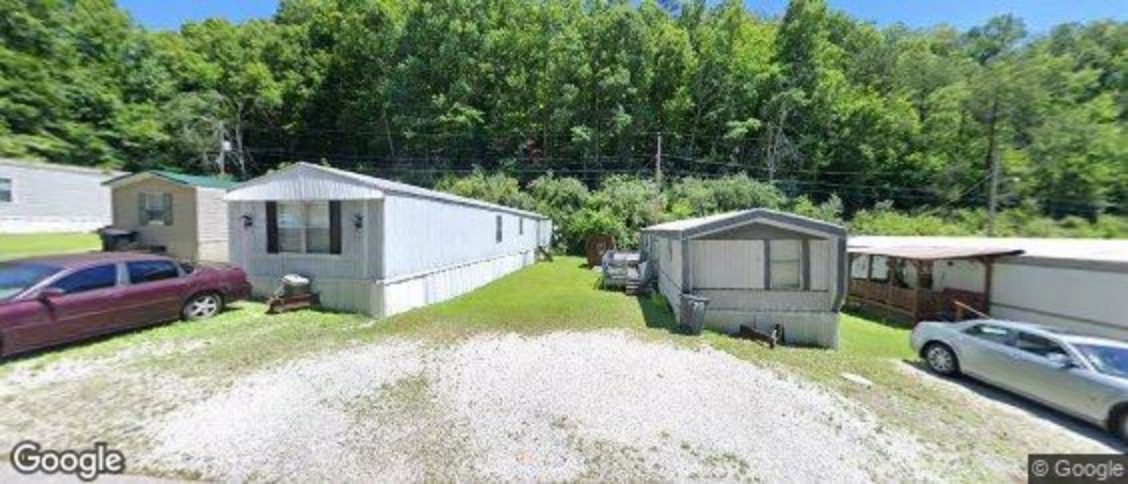
Jackson, nestled in the heart of Breathitt County, Kentucky, offers a small-town Appalachian lifestyle that comes with its unique charm and challenges. With a population hovering around 2,000 residents, this eastern Kentucky community serves as the county seat and maintains deep ties to the region’s coal mining heritage. Life here moves at a slower pace, with the North Fork of the Kentucky River winding through town providing both scenic beauty and occasional flooding concerns. Housing costs are remarkably affordable compared to state averages, though economic opportunities have dwindled in recent decades. The local community is tight-knit, where everyone seems to know everyone else’s business – a comfort to some and a drawback to others.
Is Jackson safe?
Jackson presents a mixed safety picture typical of small Appalachian towns facing economic challenges. The downtown area and neighborhoods like Chenowee generally maintain reasonable safety levels during daylight hours. Locals often leave doors unlocked – though this practice is becoming less common.
Drug-related issues, particularly with opioids, have affected the community significantly in recent years, following trends seen throughout eastern Kentucky. This has contributed to property crimes in certain areas, with the southern parts of Jackson experiencing higher incident rates.
The eastern side of town near Canoe tends to report fewer issues, with many long-established families and stronger community oversight. Local law enforcement maintains a visible presence despite limited resources, and response times benefit from the compact nature of the town.
Violent crime remains relatively uncommon, though domestic disturbances occur at rates similar to surrounding counties. The small-town environment means criminal activity rarely goes unnoticed for long, creating an informal community surveillance system.
Is Jackson a nice place to live for families?
Jackson offers a traditional small-town environment for raising children, with some notable strengths and limitations for families considering relocation.
Schools
Jackson City School serves as a K-12 institution with relatively small class sizes, allowing for personalized attention. The school has worked to improve its academic offerings in recent years, though it still faces challenges with funding and retaining specialized teachers.
L.B.J. Elementary School provides primary education with a focus on basic skills development. The school benefits from dedicated local teachers, many of whom have deep roots in the community.
Breathitt County High School serves the broader county and offers standard academic courses along with some vocational training options. Sports programs, particularly basketball, enjoy strong community support.
The Breathitt County Day Treatment Center provides alternative education for students requiring specialized behavioral support.
Private school options are essentially non-existent in Jackson itself, requiring families to consider longer commutes to Lexington for such alternatives.
Family Activities
The town offers limited organized activities for families, with the local library hosting occasional children’s programs and summer reading initiatives. The Breathitt County Public Library serves as an important resource for families, offering internet access and educational materials.
Seasonal events like the Breathitt County Fair provide entertainment, while the nearby Natural Bridge State Resort Park (about 30 miles away) offers outdoor recreation opportunities.
Youth sports are central to community life, with school teams receiving strong support. The local Little League program provides structured activities during warmer months.
For more diverse entertainment options, families typically travel to Hazard (about 25 miles) or Lexington (75 miles) for shopping malls, movie theaters, and chain restaurants.
Is Jackson expensive?
Jackson ranks among Kentucky’s most affordable places to live, with housing costs significantly below state averages. The typical home price hovers around $95,000, making homeownership accessible to many working families.
The Clay’s Ferry area, about 20 minutes outside town, commands higher prices (around $445,000) for properties with larger acreage and newer construction.
Rental options are limited but affordable, with typical monthly rents around $500 for basic apartments or small homes. The rental market features mostly older properties, with few modern apartment complexes available.
Utility costs run higher than might be expected, particularly during winter months when heating older, less-insulated homes becomes expensive. Many residents rely on electric heat, propane, or wood-burning stoves.
Grocery prices tend to run slightly higher than in larger towns due to transportation costs and limited competition, with DG Market serving as the primary grocery option. Many residents make monthly shopping trips to Hazard or Lexington for bulk purchases.
Overall, a family can live comfortably in Jackson on a modest income, though the tradeoff comes in limited amenities and services.
What transport links are there?
Transportation in Jackson revolves almost exclusively around private vehicles. Public transit options are extremely limited, with no regular bus service within town.
The Rural Transit Enterprises Coordinated (RTEC) provides limited on-demand service primarily for medical appointments and essential services, requiring advance scheduling.
Highway KY-15 serves as the main artery connecting Jackson to Hazard and the Mountain Parkway, which eventually leads to Lexington. Road conditions can be challenging during winter months, with the mountainous terrain complicating snow removal.
Commuting to work typically means driving, with many residents traveling to Hazard (30-40 minute drive) or even Lexington (90+ minutes) for employment opportunities. These commutes become significantly longer during inclement weather.
The nearest commercial airport is Lexington’s Blue Grass Airport, about 85 miles away. For major international connections, residents typically drive to Cincinnati/Northern Kentucky International Airport (150 miles).
Rideshare services like Uber and Lyft have limited availability, typically requiring significant wait times if available at all.
What amenities are available in Jackson?
Jackson offers basic amenities sufficient for day-to-day needs, though selection is limited. The downtown area maintains a few local businesses alongside government services.
For dining, options include Kountry Kitchen, serving traditional American comfort food, and Sazon Mexican Restaurant, which brings some culinary diversity. Fast food chains like Wendy’s and Hardee’s provide familiar options, while Variety Pizza offers casual Italian fare.
Grocery options center around DG Market, which stocks essentials but has a limited fresh produce selection. Several convenience stores including Double Kwik and Jiffy Mart provide quick shopping alternatives.
Healthcare services include a few local doctor’s offices and two pharmacies, but specialized care typically requires travel to Hazard’s Appalachian Regional Healthcare facility or further to Lexington. The former Breathitt County Hospital now operates as an outpatient clinic with limited services.
The Jackson City Library provides community resources including internet access, while a small local gym offers basic fitness equipment. Personal services include several hair salons and a barber shop.
Banking, legal services, and government offices are concentrated in the downtown area, making administrative errands relatively convenient.
What is the surrounding outdoor area like?
Jackson’s natural surroundings represent one of its strongest assets. The North Fork of the Kentucky River flows through town, offering fishing opportunities and scenic views.
Nearby Pan Bowl Lake provides a small recreational area with fishing and limited boating options. Local hiking trails have been developed along the river and in surrounding hills, though they’re not extensively maintained.
Within a short drive, outdoor enthusiasts can access Natural Bridge State Resort Park and Red River Gorge, offering world-class rock climbing, hiking, and camping. These destinations attract visitors from across the country.
Hunting remains popular in surrounding forests, with deer, turkey, and small game seasons bringing additional activity to the area. Many local families maintain traditional connections to these activities.
Seasonal beauty is remarkable, with vibrant fall colors and spring wildflowers transforming the surrounding mountains. Photography enthusiasts find abundant subjects in the natural landscape.
So, what’s the verdict?
Jackson offers affordable living in a close-knit community surrounded by natural beauty, but with significant limitations in economic opportunities, amenities, and services. It’s best suited for those who value rural tranquility, outdoor recreation, and strong community connections over urban conveniences and career advancement.
What are the alternatives?
Hazard, about 25 miles southwest, offers more shopping and healthcare options while maintaining a small-city feel. Housing costs remain reasonable, and the community college provides educational opportunities.
Winchester, about 50 miles northwest, provides better access to Lexington’s job market while offering more amenities and slightly higher housing costs.
Morehead, approximately 60 miles north, features a university atmosphere with cultural events and a slightly more diverse economy, though housing costs trend higher than Jackson.