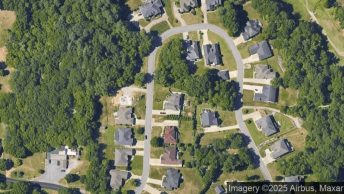
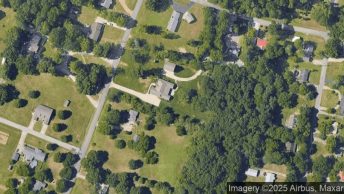
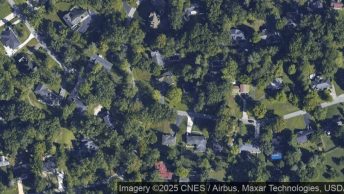
Lancaster, Kentucky offers a unique small-town experience with a population hovering around 4,000 residents. This Garrard County seat provides a slower pace of life compared to nearby cities, with a historic downtown that maintains its charm. The community is tight-knit, which is both a blessing and a challenge for newcomers. Housing costs are relatively affordable compared to larger Kentucky cities, though availability can be limited. The town struggles with limited dining options and entertainment venues, and residents often travel to neighboring communities for shopping and recreation. While Lancaster provides a peaceful setting, prospective residents should consider both its rural appeal and the compromises that come with small-town living.
Is Lancaster safe?
Lancaster generally maintains a safer environment than many comparable Kentucky communities. The town experiences mostly property crimes rather than violent offenses, with occasional reports of thefts and break-ins.
The neighborhoods around Buckeye and Hackley represent some of the safest areas in town, with well-established communities and lower incident reports. Similarly, the Bourne and Bryantsville areas maintain good safety records.
Areas near Hyattsville and the vicinity around White Oak have seen slightly higher crime reports, though still lower than state averages. Local police maintain a visible presence throughout the community, with quick response times benefiting from the town’s compact size.
Longtime residents often note that Lancaster’s small-town nature means crime news travels fast, sometimes creating perception issues that exceed actual danger. The town’s rural setting means some areas have less lighting and police coverage than others, particularly on outskirts.
Is Lancaster a nice place to live for families?
Lancaster offers a traditional small-town environment for families, with both advantages and limitations. The community’s size means children often grow up knowing their neighbors and classmates well, creating a supportive network.
Schools
Lancaster Elementary School serves the community’s youngest students with dedicated teachers who often have deep roots in the area. The school struggles with resource limitations common to rural districts but compensates with small class sizes and personalized attention.
Garrard Middle School and Garrard County High School provide education for older students, with the high school offering some vocational training options through the Garrard County Area Technology Center. These schools offer a basic education but lack the advanced placement and specialized programs found in larger districts.
Families seeking private education have extremely limited options within Lancaster itself, with most private schools requiring a commute to Lexington or Danville. This represents a significant disadvantage for families prioritizing alternative education approaches.
Family Activities
The town offers a handful of community events throughout the year, including seasonal festivals and youth sports programs. The local library provides children’s programming, though facilities are modest.
Lancaster’s small city park offers basic playground equipment, but families often travel to neighboring communities for more extensive recreation options. The lack of dedicated family entertainment venues means parents frequently plan outings to Lexington or Richmond for activities like movies, bowling, or indoor play areas.
Is Lancaster expensive?
Lancaster provides relatively affordable housing compared to many Kentucky communities, though prices have increased in recent years. The average home price of $235,000 sits above the state average, but remains significantly below what buyers would find in Lexington or Louisville.
The housing market shows decent availability, with more options than some comparable small towns. The most expensive properties tend to cluster in the Reservoir area, where homes can reach the $575,000 range, offering larger lots and newer construction.
The Crestwood-Hinda Heights neighborhood also commands premium prices, with homes often around $500,000, appealing to buyers seeking established neighborhoods with character.
More budget-friendly options exist in the Jamestown area, where homes typically sell around $225,000. The River Park vicinity offers the most affordable housing, with prices around $200,000, though these areas may require more maintenance or updates.
Rental options are limited but affordable compared to larger cities, with monthly rates running slightly below the state average. The scarcity of rental properties can make finding apartments challenging, especially for newcomers without local connections.
What transport links are there?
Lancaster’s transportation infrastructure is minimal, reflecting its rural setting. The town lacks public transportation systems, making personal vehicles essential for residents.
US Highway 27 serves as the main thoroughfare through Lancaster, connecting to Lexington (about 35 miles north) and Somerset (45 miles south). Most commuters drive to work, with typical commute times ranging from 20-40 minutes depending on destination.
The nearest interstate access is I-75, approximately 20 miles east, requiring a drive through Berea. This relative isolation means Lancaster residents face longer drives for major shopping trips or employment opportunities in larger cities.
Ride-sharing services operate with limited availability, and taxi services are virtually non-existent. Seniors and those unable to drive can access limited rural transit services through appointment-based systems, but these require advance planning.
What amenities are available in Lancaster?
Lancaster offers basic amenities that cover essential needs, though selection is limited. The historic downtown area maintains a few local businesses but struggles with vacant storefronts.
The dining scene is modest, with a handful of restaurants serving the community. Los Agaves Grill provides Mexican cuisine, while Bradford BBQ & Grill offers smokehouse favorites and occasionally hosts community events. Fast food options include Dairy Queen and Little Caesars Pizza.
For evening entertainment, Crow’s Hat serves as the primary local bar, though options for nightlife are extremely limited. Most residents travel to neighboring cities for more diverse entertainment.
Grocery shopping presents challenges, with no major supermarket chains in town. Residents rely on convenience stores like FiveStar and Quick Stop Market for basics, but most families make weekly trips to Richmond or Danville for substantial grocery shopping.
The town maintains essential services including a post office, library, and pharmacy. Healthcare access includes several doctor’s offices, though specialized care requires travel to larger medical centers. Personal services like hair salons, barber shops, and a laundromat meet basic needs.
What is the surrounding outdoor area like?
Lancaster’s rural setting provides easy access to outdoor recreation, compensating for limited urban amenities. The small city park offers basic facilities, including a playground and picnic areas.
Herrington Lake lies just a few miles west of town, providing opportunities for fishing, boating, and swimming during summer months. The lake’s 35 miles of shoreline attract visitors from throughout the region.
The surrounding countryside features rolling hills and farmland, creating scenic drives and opportunities for wildlife viewing. Local streams offer fishing spots, though public access can be limited.
For more extensive outdoor recreation, residents can reach Daniel Boone National Forest within an hour’s drive, accessing hiking trails, camping areas, and natural attractions like the Red River Gorge.
So, what’s the verdict?
Lancaster offers an authentic small-town Kentucky experience with affordable housing and a safe environment, but requires compromises regarding amenities, education options, and employment opportunities. The town suits those seeking quiet rural living with strong community connections, particularly if they don’t mind driving to access more robust services and entertainment.
What are the alternatives?
Danville, located about 15 miles southwest, offers more amenities, Centre College, and a more developed downtown, though with higher housing costs. Richmond, 20 miles northeast, provides Eastern Kentucky University, shopping centers, and more diverse dining, but experiences higher traffic and crime concerns. Nicholasville balances a slightly larger population with proximity to Lexington while maintaining some small-town character. For those willing to commute, Lexington’s suburbs offer comprehensive amenities with higher housing costs but vastly expanded opportunities.