
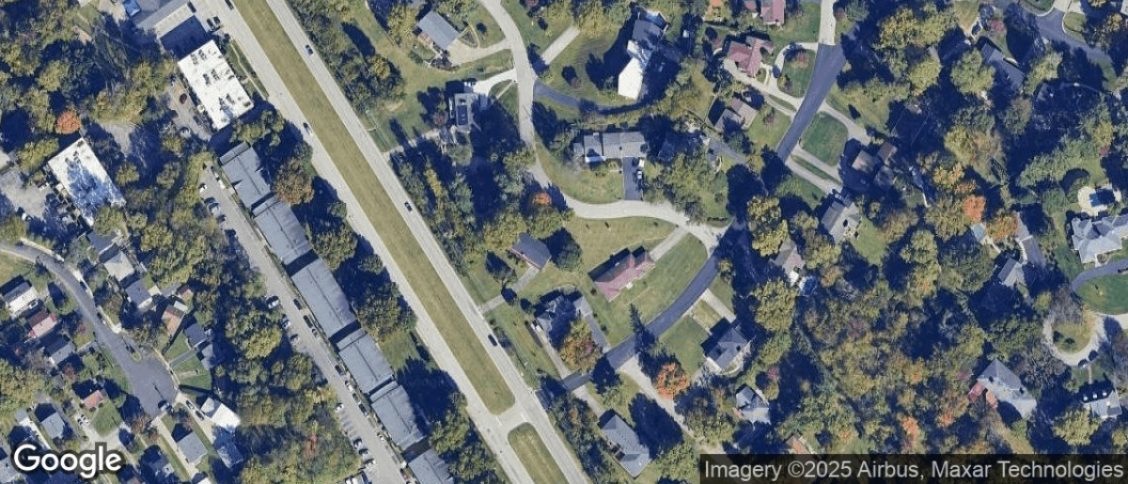
Brownsboro Zorn sits nestled in Louisville’s eastern reaches, offering residents a curious blend of suburban comfort and urban convenience. This small neighborhood, positioned between I-71 and Brownsboro Road, maintains a relatively low profile compared to Louisville’s more prominent areas. Locals appreciate its accessibility to downtown Louisville while enjoying a slightly removed feel from the city’s hustle. The tree-lined streets and mix of housing styles create a diverse aesthetic, though traffic along Zorn Avenue can be a legitimate concern during rush hours. The neighborhood lacks the cohesive community feel of some of Louisville’s more established areas, but compensates with practical advantages like proximity to shopping and major roadways.
Is Brownsboro Zorn safe?
Brownsboro Zorn boasts a safety profile that generally puts residents at ease. The area experiences lower crime rates than many other Louisville neighborhoods, particularly regarding violent incidents. Property crimes occasionally occur, with car break-ins being the most commonly reported issue, especially in parking lots near commercial areas.
Local police maintain a visible presence, particularly along the Brownsboro Road corridor. Residents often mention feeling comfortable walking during daylight hours, though some exercise more caution after dark, particularly in less residential sections.
The neighborhood benefits from active community watch programs, with neighbors keeping an eye out for unusual activity. While no urban area is completely crime-free, Brownsboro Zorn’s safety metrics align favorably with Louisville’s eastern suburbs rather than its urban core.
Is Brownsboro Zorn a nice place to live for families?
Families considering Brownsboro Zorn find themselves with decent, if not exceptional, options for raising children. The neighborhood offers a mix of advantages and compromises that families should weigh carefully.
Schools
Education options around Brownsboro Zorn present parents with several solid choices. The J. Graham Brown School stands out as a highly-regarded K-12 option, though its lottery-based admission means enrollment isn’t guaranteed. Dunn Elementary and Bloom Elementary both earn positive reviews from parents, with strong academic programs and engaged teaching staff.
For older students, Ballard High School offers strong academic and extracurricular programs, while Barret Traditional Middle School provides a structured learning environment with an emphasis on core academics. Competition for spots in these better-performing schools can be fierce, and some families move specifically to secure enrollment.
The area also benefits from numerous private school options within a reasonable drive, giving families additional educational pathways. Louisville Collegiate School and Kentucky Country Day, while outside the immediate neighborhood, attract many Brownsboro Zorn families seeking alternative education models.
Family Activities
The neighborhood itself offers limited dedicated family entertainment, but its location provides easy access to Louisville’s broader family-friendly attractions. The nearby Clifton Heights Bradley Greenway offers walking paths suitable for family outings, though it lacks the extensive playground equipment found in larger parks.
Many families make the short drive to Cherokee Park or Seneca Park for more substantial outdoor recreation. The proximity to these larger green spaces somewhat compensates for the neighborhood’s own limited recreational infrastructure.
The demographic makeup includes a healthy mix of families, empty-nesters, and young professionals. While not overwhelmingly family-centric like some of Louisville’s eastern suburbs, Brownsboro Zorn provides enough family presence to foster a supportive environment for children.
Is Brownsboro Zorn expensive?
Housing costs in Brownsboro Zorn run higher than Louisville’s overall average but remain more accessible than the city’s premium neighborhoods. The typical home price hovers around $250,000, making it moderately expensive for Kentucky but still offering relative value compared to nearby luxury enclaves.
The housing market shows notable internal variation. Properties closer to Cherokee Gardens command significantly higher prices, sometimes reaching into the $400,000-$500,000 range for larger homes with updated features. Meanwhile, more modest options can be found closer to Clifton, where comparable homes might sell for $250,000 or less.
For those seeking more luxury, adjacent Cherokee Gardens boasts homes averaging $835,000, while Rolling Fields properties typically fetch around $810,000. Budget-conscious buyers might consider nearby Clifton Heights, where the average home price sits around $180,000, offering similar access to amenities at a significantly lower price point.
The rental market provides reasonable options by Louisville standards, with rents typically running slightly below the state average. One-bedroom apartments generally start around $700-800 monthly, while single-family home rentals usually begin around $1,200-1,400, depending on size and condition.
Housing availability remains somewhat limited, with properties typically moving quickly when listed. This tight market reflects the neighborhood’s desirability as a compromise between location and affordability.
What transport links are there?
Transportation represents one of Brownsboro Zorn’s strongest assets. The neighborhood’s position grants exceptional access to Louisville’s road network, with I-71 bordering the area and providing direct routes downtown and to the outer suburbs.
Public transit options include several TARC bus routes traversing Brownsboro Road and Zorn Avenue. Routes 15 and 25 connect residents to downtown, the Highlands, and St. Matthews shopping areas. Service frequency varies, with rush hour seeing buses approximately every 20-30 minutes, while off-peak times may have hour-long gaps between buses.
Commuters benefit from relatively manageable drive times, with downtown Louisville accessible in roughly 10-15 minutes during normal traffic. The Gene Snyder Freeway lies within easy reach, connecting residents to Louisville’s eastern business parks and retail centers.
Cycling infrastructure remains limited, though some residents bike along Brownsboro Road despite its busy nature. Pedestrian amenities vary by section, with some areas featuring sidewalks while others force walkers onto shoulders or yards.
What amenities are available in Brownsboro Zorn?
Brownsboro Zorn offers practical amenities rather than trendy destinations. The commercial landscape caters more to everyday needs than luxury indulgences.
The dining scene features a surprising variety despite its limited size. Lee’s Famous Recipe Chicken provides comfort food favorites, while KK African Kitchen and MAKISSI KITCHEN offer more diverse culinary options. Ricky B’s Club Cafe serves as a casual gathering spot for locals.
Nightlife remains modest, with In the Mix Bar Service being one of the few dedicated watering holes. Most residents travel to the Highlands or NuLu for more vibrant evening entertainment.
Everyday conveniences are well-represented, with multiple pharmacies, a post office, and several healthcare providers operating within the neighborhood boundaries. Medical facilities include numerous doctor’s offices and proximity to Baptist Health Louisville just minutes away.
Personal services include a couple of barber shops, a hair salon, and a yoga studio providing wellness options. The area lacks high-end boutiques or specialty shops, with most residents traveling to nearby St. Matthews or Westport Village for more diverse shopping.
What is the surrounding outdoor area like?
Outdoor enthusiasts find Brownsboro Zorn’s location advantageous despite limited green space within its borders. The Clifton Heights Bradley Greenway offers a pleasant walking path with moderate tree coverage, providing a convenient option for quick outdoor excursions.
The neighborhood’s greatest outdoor asset lies in its proximity to Louisville’s premier parks. Cherokee Park sits just minutes away, offering extensive hiking trails, open fields, and scenic driving loops. Similarly, Seneca Park provides sports facilities, walking paths, and golf courses within a short drive.
The Ohio River flows nearby, though public access points remain limited in this section. More adventurous residents can reach the Louisville Loop trail system with a short drive, connecting to miles of paved pathways for cycling, running, or walking.
Gardening enthusiasts appreciate the area’s relatively large lots compared to more urban neighborhoods, allowing for personal green spaces and landscaping projects.
So, what’s the verdict?
Brownsboro Zorn offers a practical compromise for Louisville residents seeking convenient location without premium pricing. Its strengths lie in accessibility, relative affordability compared to adjacent upscale neighborhoods, and solid safety profile. Weaknesses include limited walkability, modest community amenities, and less distinctive character than some of Louisville’s more celebrated areas. For practical-minded residents prioritizing function over trendiness, it presents a sensible, if not inspiring, option.
What are the alternatives?
Those considering Brownsboro Zorn might also explore Crescent Hill, which offers similar convenience with more walkable commercial districts and stronger community identity, though at higher price points. St. Matthews provides more extensive shopping and dining options with comparable commute times, but heavier traffic congestion. Budget-conscious buyers might consider Clifton, offering urban character and emerging food scenes at lower price points, albeit with more variable safety metrics. For families prioritizing elite schools, Prospect delivers exceptional education but requires significantly higher housing investment and longer commutes.


