
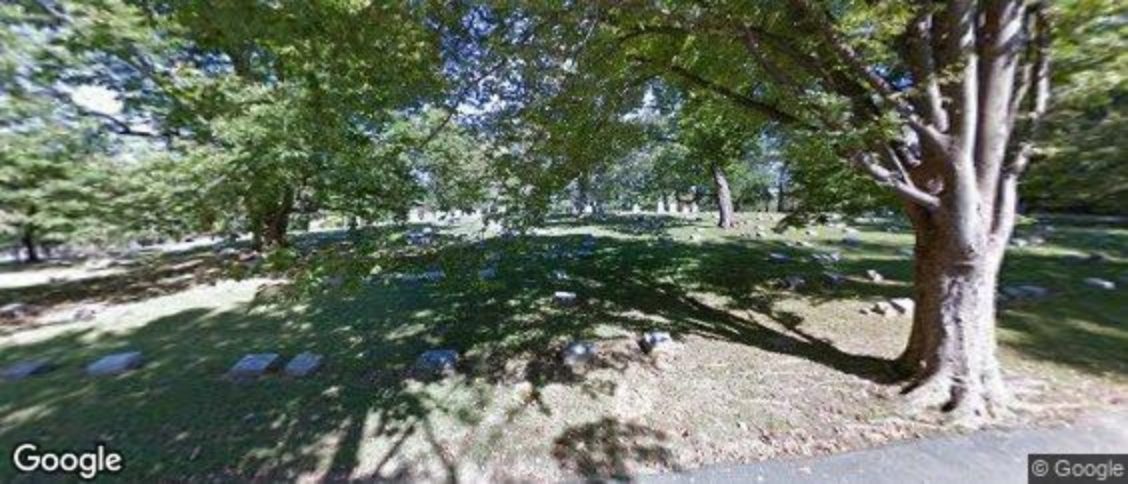
Cherokee Triangle, nestled in Louisville’s historic highlands district, offers a unique blend of urban charm and historical character. Known for its well-preserved Victorian homes and proximity to Bardstown Road’s eclectic scene, this neighborhood has become one of Louisville’s most sought-after areas. The tree-lined streets and tight-knit community atmosphere attract young professionals, families, and longtime residents alike. While the area boasts incredible architecture and walkability, it comes with premium housing costs and typical urban challenges. Let’s dive into what makes Cherokee Triangle tick—both the postcard-perfect aspects and the everyday realities.
Is Cherokee Triangle safe?
Cherokee Triangle enjoys a reputation as one of Louisville’s safer neighborhoods. Violent crime rates remain lower than in many other parts of the city, though property crimes like package theft and occasional car break-ins do occur, particularly along boundary streets.
Residents often cite the neighborhood’s active community watch program as a positive factor. The Cherokee Triangle Association regularly coordinates with local police on safety initiatives, which has helped maintain the area’s security.
The neighborhood’s well-lit streets and consistent foot traffic—especially around Bardstown Road and Cherokee Park—create natural surveillance that deters crime. That said, incidents tend to increase slightly during warmer months when more visitors frequent the area’s parks and restaurants.
Most residents report feeling comfortable walking at night, particularly in the residential core, though caution is advised in more isolated spots near the park after dark.
Is Cherokee Triangle a nice place to live for families?
Cherokee Triangle attracts families seeking urban living with neighborhood charm. The community has a healthy mix of young families, empty nesters, and longtime residents, creating a multi-generational atmosphere.
Schools
Families in Cherokee Triangle have access to some of Louisville’s most respected educational options. The area feeds into several well-regarded public schools, including Bloom Elementary, which offers strong academic programs within walking distance for many residents.
For middle and high school, many students attend J. Graham Brown School or duPont Manual High School—both known for academic excellence. Manual, in particular, has earned national recognition for its specialized programs in math, science, and the arts.
The neighborhood’s proximity to the Highlands gives families access to more educational options than many other Louisville areas. Private school options abound in nearby neighborhoods, though competition for spots can be fierce, and commuting to some of these institutions might require planning.
Family Activities
Cherokee Park stands as the crown jewel for families in the area. Its 409-acre expanse offers playgrounds, walking paths, and open fields perfect for weekend activities. The Willow Park playground provides a smaller, more intimate play space within the neighborhood proper.
The neighborhood’s annual events, including the Cherokee Triangle Art Fair, create community traditions that many families appreciate. The nearby Mid-City Mall offers family-friendly amenities including a bookstore and casual dining options.
While not overrun with child-specific activities, the neighborhood’s proximity to the Louisville Zoo, Science Center, and various cultural institutions means family entertainment options are just a short drive away.
Is Cherokee Triangle expensive?
There’s no sugarcoating it—Cherokee Triangle ranks among Louisville’s pricier neighborhoods. The average home price hovers around $465,000, significantly higher than Kentucky’s state average.
The area’s historic homes, particularly the grand Victorians along Cherokee Parkway, command premium prices often exceeding $600,000. More modest homes deeper in the neighborhood might be found in the $400,000 range, but bargains are rare.
Housing inventory remains tight, with homes often selling quickly when listed. This competitive market has pushed some buyers to consider nearby alternatives like Bonnycastle, where similar historic charm can be found with slightly lower price tags around $425,000.
For substantially more affordable options, areas like Irish Hill ($205,000) and Paristown Pointe ($225,000) offer proximity to the Highlands amenities without the Cherokee Triangle premium.
Regarding rentals, Cherokee Triangle has a healthy mix of owners and renters. One-bedroom apartments typically start around $1,100 monthly, higher than Louisville’s average. Historic homes converted to multi-unit dwellings provide rental options with character, though at a price premium compared to newer developments elsewhere in the city.
What transport links are there?
Cherokee Triangle offers decent public transportation by Louisville standards, though a car remains useful for many residents. TARC bus routes #17 and #23 run along Bardstown Road, providing direct access to downtown and other neighborhoods.
The neighborhood’s central location means relatively short commute times to downtown Louisville—typically 10-15 minutes by car or 20-25 minutes by bus. Many residents bike downtown during fair weather, taking advantage of the Beargrass Creek Trail.
Street parking can be challenging, particularly near Bardstown Road or during events at Cherokee Park. Most historic homes lack garages, making off-street parking a premium amenity in the neighborhood.
For regional travel, access to I-64 requires navigating through the Highlands, adding about 10 minutes to interstate access compared to some other neighborhoods.
What amenities are available in Cherokee Triangle?
Cherokee Triangle residents enjoy proximity to an impressive array of amenities, particularly along the Bardstown Road corridor. The neighborhood itself has a village-like feel with services concentrated at key intersections.
Restaurant options abound, from upscale dining at Jack Fry’s to casual breakfast at Highland Morning. The neighborhood sits within walking distance of dozens of independent restaurants, covering everything from quick bites at Chipotle to craft beer and comfort food at The Eagle.
For nightlife, residents have easy access to laid-back spots like Big Bar or The Hub, along with more specialized venues like Neat Bourbon Bar with its impressive whiskey selection.
Grocery options include ValuMarket at Mid-City Mall and several convenience stores like Highlands Mart for quick essentials. For major shopping trips, most residents drive to larger supermarkets in adjacent neighborhoods.
The area is well-served with everyday necessities including several pharmacies, hair salons, and a post office within walking distance. Healthcare facilities include a handful of medical offices, though major medical centers require a short drive.
The nearby Highlands Branch Library provides a quiet study space and regular community events, while several fitness options from boutique gyms to yoga studios cater to active residents.
What is the surrounding outdoor area like?
Cherokee Triangle’s outdoor offerings represent one of its strongest selling points. Cherokee Park, designed by Frederick Law Olmsted of Central Park fame, defines the neighborhood’s eastern edge with rolling hills, mature trees, and a popular 2.4-mile scenic loop.
Willow Park, though small, provides a convenient green space within the neighborhood proper, featuring a playground and benches beneath its namesake trees.
The Beargrass Creek Greenway offers a natural corridor for walking and cycling, connecting to broader trail networks throughout eastern Louisville.
Patterson Playground provides additional recreational space, particularly popular with families during warmer months.
Beyond these formal parks, the neighborhood’s tree canopy and historic landscaping create a lush environment that feels remarkably green despite its urban setting.
So, what’s the verdict?
Cherokee Triangle offers an enviable combination of historic character, walkable amenities, and community spirit—if you can afford the premium prices. Its excellent location, beautiful housing stock, and access to Louisville’s best park system make it worth the investment for many. However, tight parking, higher costs, and the occasional urban nuisances mean it’s not for everyone. For those seeking character and convenience over spaciousness and affordability, it remains one of Louisville’s most desirable addresses.
What are the alternatives?
If Cherokee Triangle appeals but doesn’t quite fit, several nearby neighborhoods offer compelling alternatives. Crescent Hill provides similar historic charm with slightly more affordable housing and excellent independent businesses along Frankfort Avenue. The Highlands proper offers more rental options and livelier nightlife while maintaining walkability. For those prioritizing space over walkability, Clifton and Crescent Hill provide larger lots with historic homes at somewhat lower price points. Tyler Park offers a similar feel to Cherokee Triangle with its own Olmsted-designed park but at a slightly more accessible price point around $385,000.


