
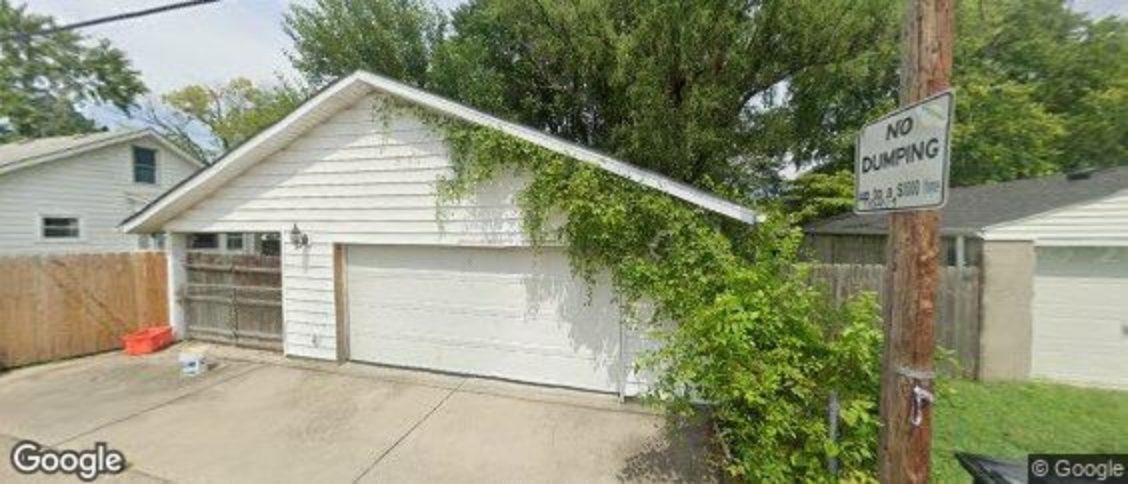
Germantown, nestled in Louisville’s east end, has emerged as one of the city’s most sought-after neighborhoods. This historic district, bordered by Barret Avenue, Eastern Parkway, and the railroad tracks, blends old-world charm with modern urban living. Originally settled by German immigrants in the late 1800s, today’s Germantown offers a unique mix of shotgun houses, local businesses, and a distinctly unpretentious vibe that sets it apart from Louisville’s more polished areas.
The neighborhood has undergone significant changes in recent years, with an influx of younger residents drawn to its affordability and character. However, this transition hasn’t been without growing pains. Long-time locals sometimes clash with newcomers over the direction of development, and gentrification concerns loom as property values climb.
Despite these tensions, Germantown maintains its working-class roots while embracing new energy. The result is a neighborhood that feels authentic rather than manufactured—a rare quality in today’s urban landscape.
Is Germantown safe?
Safety in Germantown presents a complex picture. The neighborhood has shed much of its formerly rough reputation, but residents still experience occasional property crimes. Break-ins and car thefts occur with some regularity, particularly along boundary streets like Barret Avenue.
The area sees fewer violent crimes than some other Louisville neighborhoods, though late-night incidents around bars occasionally make local headlines. Residents often report feeling safe walking during daylight hours but exercise more caution after dark, especially in less populated sections.
Community policing efforts have improved in recent years, with the Louisville Metro Police Department maintaining a visible presence. Many residents have also organized block watches and neighborhood social media groups to keep each other informed about suspicious activity.
The eastern portion of Germantown generally reports fewer incidents than the western edge, which borders some higher-crime areas. As with many urban neighborhoods, safety can vary significantly from block to block.
Is Germantown a nice place to live for families?
Germantown offers a mixed experience for families. Its tight-knit community feel provides children with a neighborhood where everyone knows one another—something increasingly rare in urban settings. However, certain amenities families typically seek might require compromise.
Schools
Germantown itself doesn’t host any schools within its boundaries, but several solid options exist nearby. J. Graham Brown School, a well-regarded K-12 school downtown, offers a progressive educational approach but requires a competitive application process. Audubon Traditional Elementary provides strong academics with a more structured environment.
For middle and high school options, duPont Manual High School ranks among Kentucky’s best public high schools but has extremely competitive admission. Barret Traditional Middle School offers another quality option, though it falls outside Germantown’s immediate vicinity.
Many Germantown families opt for private education, with Louisville Collegiate School and St. Francis School both within reasonable driving distance. These institutions provide excellent alternatives but come with substantial tuition costs.
Family Activities
The neighborhood offers several small parks, with German-Paristown Park providing playground equipment and green space. The nearby Glow Worm Cafe offers a family-friendly play space and gathering spot, though it technically sits just across the border in the Highlands.
Germantown hosts several family-oriented community events throughout the year, including an annual street festival and holiday celebrations. The tight community bonds mean children often find neighborhood playmates, creating an old-fashioned environment where kids actually play outside.
The demographic makeup shows a growing number of young families moving to the area, creating a supportive network for parents. However, some families eventually move to areas with larger yards and more family-specific amenities as their children grow.
Is Germantown expensive?
One of Germantown’s biggest draws remains its relative affordability in Louisville’s increasingly pricey housing market. The average home price hovers around $170,000, significantly lower than Louisville’s trendier neighborhoods like the Highlands or Crescent Hill.
However, this affordability is changing rapidly. Five years ago, the same homes sold for nearly 30% less. The neighborhood’s growing popularity has sparked bidding wars for the most desirable properties, particularly renovated shotgun houses with modern amenities.
Rental prices have similarly climbed, with the average one-bedroom apartment now commanding around $1,100 monthly—higher than the Kentucky average but still reasonable compared to Louisville’s premium districts. Many homes have been converted to duplexes, providing additional rental inventory.
The most expensive section lies near Eastern Parkway in the Forestville mini-neighborhood, where homes can reach $340,000. More affordable options exist in the California section, where smaller shotgun houses still occasionally list below $200,000.
For those priced out of Germantown, nearby Schnitzelburg offers similar character at slightly lower prices, while Shelby Park provides even more affordable options but with higher crime rates and fewer amenities.
What transport links are there?
Germantown’s transportation situation reflects its working-class history and central location. The neighborhood offers no direct access to Louisville’s limited light rail system but is well-served by TARC bus routes. Lines 17 and 29 connect residents to downtown, the University of Louisville, and major shopping districts.
For drivers, Germantown provides relatively easy access to major thoroughfares. Eastern Parkway borders the neighborhood’s southern edge, offering quick routes to both I-65 and I-64. Most homes include off-street parking—a significant advantage over other historic neighborhoods where parking creates daily headaches.
Bike infrastructure has improved markedly in recent years, with dedicated lanes on Goss Avenue and Barret Avenue. The flat terrain makes cycling practical for commuters heading downtown, typically a 15-20 minute ride.
Most residents rely on personal vehicles, with the average commute taking about 22 minutes. Rideshare services operate efficiently throughout the area, with typical wait times under 5 minutes.
What amenities are available in Germantown?
Germantown’s amenity landscape has evolved dramatically in recent years, transforming from a neighborhood with basic necessities to one with destination businesses. The food scene exemplifies this shift, with spots like The Post serving craft pizza in a former VFW hall and Big Bad Breakfast offering southern-inspired morning fare on Barret Avenue.
Coffee culture thrives at Phalcha Coffee, where locals gather for remote work and community conversations. The neighborhood’s drinking establishments range from old-school dives to newer craft-focused spots like Four Pegs Smokehouse and Bar, which pairs local beers with barbecue. Hauck’s Corner represents the perfect middle ground—a historic corner store transformed into a modern bar while preserving its neighborhood heritage.
Grocery options remain somewhat limited, with Kroger on Goss Avenue serving as the primary full-service supermarket. Smaller operations like Germantown Smoke & Craft provide specialty items and convenience goods.
Healthcare facilities include several medical offices and two pharmacies, though residents typically travel outside the neighborhood for hospital services. Fitness options have expanded with a couple of gyms and a yoga studio now operating within Germantown’s boundaries.
The neighborhood lacks major retail chains, instead offering a collection of independent businesses, antique shops, and service providers. This absence of big-box stores preserves Germantown’s character but necessitates occasional trips to nearby shopping centers.
What is the surrounding outdoor area like?
Despite its urban setting, Germantown offers surprising green spaces. German-Paristown Park provides a central gathering spot with playground equipment and basketball courts. The smaller Gnadinger Park offers a quiet retreat with benches and shade trees.
Castlewood Open Space, while technically outside Germantown proper, sits within easy walking distance and offers additional recreational options. For more substantial outdoor experiences, Cherokee Park lies just a short drive away, offering miles of walking paths, picnic areas, and open fields.
Highland Island, an unusual traffic island converted to public space, provides a quirky spot for community gatherings. The neighborhood also features several community gardens where residents grow vegetables and flowers, fostering both sustainability and social connections.
Urban wildlife remains limited to squirrels, rabbits, and birds, but the neighborhood’s mature tree canopy provides welcome shade during Louisville’s hot summers and creates a more natural feel than many urban areas.
So, what’s the verdict?
Germantown delivers authentic urban living with strong community bonds at prices that remain reasonable by Louisville standards. Its imperfections—limited school options within its boundaries, some safety concerns, and ongoing gentrification tensions—come balanced with genuine character, accessibility, and a palpable sense of place that manufactured neighborhoods can’t replicate.
For those seeking an affordable entry into Louisville’s urban core with walkable amenities and historic charm, Germantown deserves serious consideration. Just don’t expect pristine streets or homogeneous experiences.
What are the alternatives?
Neighboring Schnitzelburg offers a similar vibe with slightly lower prices and fewer trendy businesses. The Highlands provides more amenities and better schools but at significantly higher housing costs. Shelby Park offers the most affordable nearby option but requires tolerance for higher crime rates and fewer established businesses. Crescent Hill delivers a more polished experience with excellent schools but at nearly double Germantown’s housing prices.


