
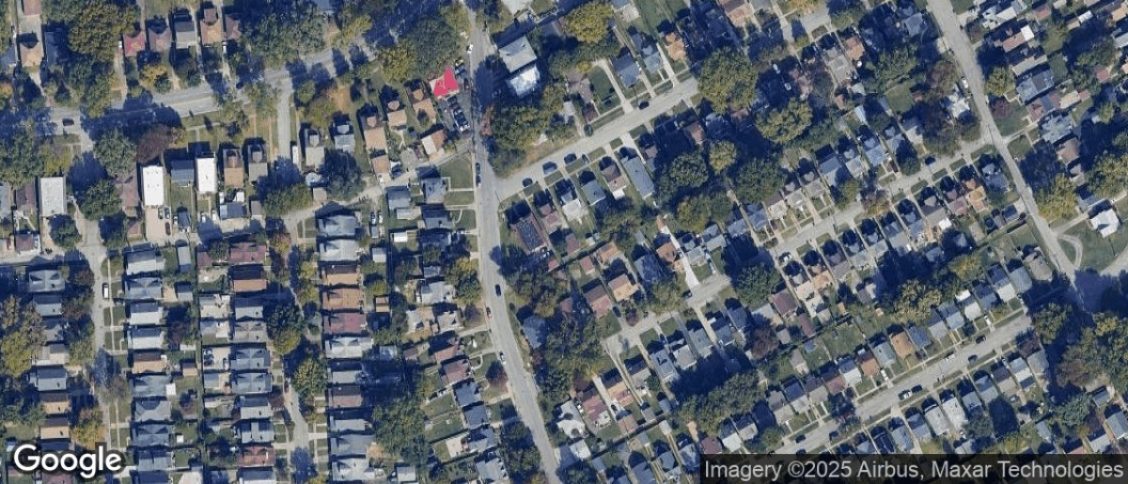
Saint Joseph, a small neighborhood tucked into Louisville’s southeastern edge, offers residents a blend of suburban comfort with urban accessibility. Situated near the Highlands and Germantown, this compact Louisville community has managed to maintain a distinct character while benefiting from its strategic location. Saint Joseph doesn’t make headlines like some of Louisville’s trendier neighborhoods, but longtime residents appreciate its understated charm and relatively affordable housing compared to nearby areas. The neighborhood has seen gradual improvements over the years, though it still faces challenges typical of urban Louisville communities, including varying crime rates and infrastructure that shows its age in spots.
Is Saint Joseph safe?
Safety in Saint Joseph presents a mixed picture. The neighborhood experiences property crime at rates somewhat higher than Kentucky averages, with burglaries being a particular concern among residents. Break-ins and car prowls occur with enough frequency that neighborhood watch programs have become increasingly active.
The eastern edges of Saint Joseph tend to report fewer incidents than areas closer to busy commercial corridors. Violent crime isn’t as prevalent as property crime, though residents still exercise caution after dark in certain sections.
Local police have increased patrols in recent years, responding to community concerns. Longtime residents note that while crime hasn’t disappeared, the situation has improved compared to a decade ago.
Is Saint Joseph a nice place to live for families?
Saint Joseph offers families a relatively affordable entry point into Louisville living with some definite perks, though it comes with compromises typical of urban neighborhoods.
Schools
Families in Saint Joseph have access to several quality educational options, though the neighborhood itself doesn’t host the most sought-after schools in Jefferson County.
Many local students attend schools outside the immediate neighborhood, including standouts like J. Graham Brown School and duPont Manual High School. These highly-rated institutions require either testing or lottery admission, making competition fierce.
Families seeking alternatives often look to Audubon Traditional Elementary, which maintains a solid reputation among neighborhood parents. Some families also opt for Bloom Elementary, though getting in can be challenging without living in its direct assignment area.
The private school landscape offers numerous options throughout Louisville, with Catholic schools being particularly prevalent. These provide alternatives for families willing to pay tuition, though most require short drives outside the neighborhood.
Parks and Recreation
The neighborhood offers modest recreational spaces for families. Bradley Park provides basic playground equipment and green space, though it’s smaller than parks in neighboring communities.
Churchill Park offers additional recreational options just outside Saint Joseph’s borders, making it a popular weekend destination for neighborhood families.
The Don Fightmaster Playground provides accessible play equipment but could benefit from updates. Many families find themselves driving to larger parks in adjacent neighborhoods for weekend outings.
Is Saint Joseph expensive?
Saint Joseph offers relatively affordable housing by Louisville standards, especially considering its proximity to more expensive neighborhoods like the Highlands and Germantown.
Home prices in Saint Joseph average around $200,000, slightly above the Kentucky average but significantly less than neighboring Audubon Park, where homes typically sell for around $360,000.
The housing inventory remains tight, with homes often selling quickly when priced appropriately. Buyers looking for more space for their money often compare Saint Joseph to South Louisville, where average prices hover around $115,000, though with correspondingly fewer amenities and different community character.
Rental properties dominate much of Saint Joseph, with monthly rates averaging $1,200 – noticeably higher than what you’d pay in many other parts of Kentucky. This reflects the neighborhood’s proximity to downtown Louisville and the University of Louisville campus.
Housing stock varies widely, from well-maintained bungalows to properties needing significant investment. The western portions of the neighborhood typically command higher prices than areas further east.
What transport links are there?
Transportation represents one of Saint Joseph’s strengths, with decent connectivity to Louisville’s broader network.
TARC bus routes serve the neighborhood, with lines running along major boundary roads offering connections to downtown, the University of Louisville, and shopping districts. Most residents find themselves within reasonable walking distance of a bus stop.
For drivers, I-65 sits just minutes away, providing quick access to downtown Louisville (about 10 minutes in light traffic) and the broader interstate system. Eastern Parkway and Southern Parkway border the area, facilitating movement to other parts of the city.
Bike infrastructure remains limited, though the neighborhood’s relatively flat terrain makes cycling manageable for those comfortable sharing roads with vehicles.
Most residents rely on personal vehicles, with commute times averaging 20-25 minutes to major employment centers.
What amenities are available in Saint Joseph?
Saint Joseph offers basic amenities within its borders, with a much wider selection available just a short drive away.
Dining options within the neighborhood itself tend toward fast food and casual fare. McDonald’s, Burger King, and Arby’s provide quick options, while Bandido Taqueria Mexicana offers popular Mexican food that draws visitors from surrounding areas.
For groceries, residents primarily rely on Parkway Produce for fresh items, supplemented by convenience stores like Red Birds and 24/7 Stop & Go for basics. Most residents make regular trips to larger supermarkets in adjacent neighborhoods for major shopping.
Zanzabar stands out as the neighborhood’s notable bar, hosting live music and offering a gathering spot for locals and visitors alike.
Healthcare facilities include a couple of pharmacies and doctor’s offices handling routine care, though residents travel elsewhere for specialists and hospital services.
The neighborhood supports basic service businesses including barber shops, hair salons, and a small gym, covering day-to-day needs without much luxury or specialization.
What is the surrounding outdoor area like?
Saint Joseph offers modest green spaces within its boundaries while benefiting from proximity to Louisville’s broader park system.
Bradley Park provides a neighborhood gathering spot with basic amenities, while Village Green Park offers additional green space, though neither compares to Louisville’s showcase parks.
Churchill Park, just beyond the neighborhood’s edge, provides more extensive recreation options including sports fields and walking paths.
For more substantial outdoor experiences, residents typically drive to Cherokee Park or Iroquois Park, both within 15 minutes but offering dramatically more extensive trail systems and natural areas.
So, what’s the verdict?
Saint Joseph offers an accessible entry point to Louisville living with solid transportation connections and relative affordability. It’s best suited for those seeking urban convenience without the premium prices of trendier neighborhoods. Families will find adequate resources but may need to look beyond neighborhood boundaries for top schools and recreation. The community works well for pragmatic residents who value location and practicality over cutting-edge amenities or showcase properties.
What are the alternatives?
Potential residents might also consider Germantown for similar pricing but more distinctive local character and dining options. The Highlands offers significantly more amenities and nightlife but at considerably higher housing costs. Schnitzelburg provides comparable affordability with a stronger sense of community identity. For families prioritizing school quality above all else, the Audubon area delivers better educational options but requires substantially larger housing budgets.


