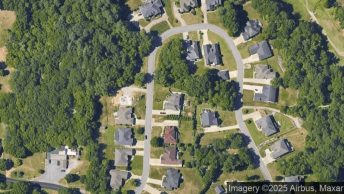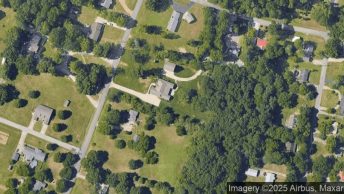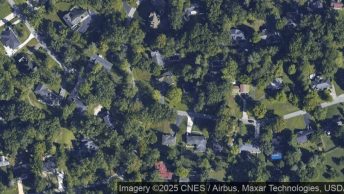
Moorland is one of those places that flies under the radar when people discuss desirable living locations. Nestled away from the hustle and bustle, this small community offers a distinctly rural atmosphere while still providing access to basic necessities. The housing market here presents some affordable options compared to neighboring areas, though amenities are admittedly limited. Safety concerns vary by neighborhood, with some pockets experiencing higher crime rates than others. For families, the educational landscape is modest at best, with just a handful of schools serving the area. Before you pack your moving boxes, let’s dive deeper into what makes Moorland tick—both the charming aspects and the challenging realities.
Is Moorland safe?
Safety in Moorland presents a mixed picture depending on which part you’re considering. The southern residential areas tend to maintain lower crime incidents, particularly in the established family neighborhoods.
The central business district sees more property crime, typically involving vehicles and retail theft. Local residents often cite the area around Circle K convenience stores as hotspots for minor disturbances, especially after dark.
The eastern edge of Moorland, particularly near some of the older apartment complexes, experiences more calls to law enforcement than other sections. Local police have increased patrols in these areas in recent months.
Community watch programs have gained traction in several Moorland neighborhoods, with residents taking an active role in monitoring suspicious activity. The local sheriff’s department hosts monthly community meetings to address concerns.
Violent crime isn’t particularly prevalent in Moorland, though isolated incidents do occur. Property crimes make up the majority of reported offenses.
Is Moorland a nice place to live for families?
Moorland offers a modest family living experience with some noteworthy considerations for parents looking to settle here.
Schools
The educational landscape in Moorland is functional but unremarkable. Elementary options are limited, with most local children attending the main district school that serves the entire community.
The elementary school facilities are aging but maintained, with teachers who typically demonstrate strong community connections since many live locally. Class sizes tend to be manageable due to the area’s smaller population.
For middle and high school education, most students must travel to neighboring districts, as Moorland lacks its own secondary institutions. This creates longer commute times for teenagers and limits after-school involvement opportunities.
Private school options are practically non-existent within Moorland itself. Families seeking alternative education typically look to facilities in larger towns about 20-30 minutes away, adding transportation complications to the already higher costs.
Family Activities
Moorland maintains a small community recreation center that hosts seasonal events and limited children’s programming. The annual Fall Festival attracts families from across the area and represents one of the community’s highlights.
Playground facilities are basic but functional, with the main park offering standard equipment that could use updating. There’s a notable absence of splash pads or modern play structures that neighboring communities have invested in.
The Lyndon Recreation Association provides some organized sports leagues for children, though with limited options compared to larger communities. Baseball and soccer remain the primary offerings.
Family-friendly restaurants are sparse, with the Corner Cafe being one of the few establishments that caters to children with a dedicated kids’ menu and casual atmosphere.
Is Moorland expensive?
Housing costs in Moorland represent one of its strongest selling points. The average house price sits well below state averages, making homeownership accessible for many working families.
The northeastern section of Moorland, with its older homes on larger lots, offers the most affordable buying opportunities. These properties typically need some updating but provide excellent value for those willing to invest sweat equity.
The southwestern developments, being newer construction from the early 2000s, command higher prices but still fall below what you’d pay in the surrounding suburbs. These homes feature more modern layouts and require less immediate maintenance.
Rental properties remain relatively affordable but are in short supply. The few apartment complexes in Moorland maintain waiting lists, and single-family rental homes are quickly snatched up when they hit the market.
For those seeking more upscale housing, the neighboring community of Oakridge offers newer developments with premium amenities but at prices approximately 30% higher than Moorland’s average.
Property taxes in Moorland run lower than many surrounding areas, adding to the overall affordability factor for homeowners.
What transport links are there?
Transportation represents one of Moorland’s significant challenges. Public transit is virtually non-existent, with no dedicated bus routes serving the community.
The nearest regional bus stop sits about 3 miles outside town limits, making it impractical for daily commuters without personal vehicles.
Road access centers around the main county highway that bisects Moorland, providing a direct route to larger communities. During peak times, this two-lane road can become congested, especially at the main intersection by the grocery store.
Most residents commute between 25-40 minutes to reach employment centers in larger towns. Carpooling has become increasingly common among Moorland residents working similar shifts.
The lack of sidewalks in many sections makes walking challenging, and bicycle infrastructure is minimal. Some residents have petitioned the local government for improved pedestrian pathways, but progress has been slow.
What amenities are available in Moorland?
Moorland offers basic amenities that cover essential needs but lacks the diversity found in larger communities.
Food options include El Mariachi Mexican Restaurant, a local favorite known for generous portions and family-friendly atmosphere. Chef’s Cut Pizzeria provides reliable takeout options, while Corner Cafe serves as the community’s gathering spot for breakfast and lunch.
R Place Pub stands as the only dedicated bar in town, offering standard drinks and occasional live music on weekends. It tends to attract a regular local crowd rather than visitors from outside the area.
For groceries, residents rely primarily on Supermercado Guanajuato #1, which offers a surprising variety despite its modest size. The two Circle K convenience stores provide quick essentials but with limited selection and higher prices.
Healthcare access is minimal, with just one small medical practice serving the community. Residents typically travel to neighboring towns for specialists, emergency care, and more complex medical needs.
The local gym operates in a converted retail space with basic equipment, while the community library occupies a small building with limited hours but dedicated staff. A couple of barber shops serve the area, but those seeking more specialized personal care services generally look elsewhere.
What is the surrounding outdoor area like?
Moorland’s natural surroundings represent one of its strongest assets. The community sits amid gently rolling countryside with several accessible natural areas.
The Louisville Metro Facilities maintain a nature preserve on Moorland’s western edge, offering well-marked hiking trails through native woodlands. Local wildlife enthusiasts frequently spot deer, wild turkeys, and various bird species here.
A small community fishing pond provides a peaceful retreat, though it’s not well-maintained during colder months. Summer sees families gathering for impromptu picnics along its shores.
The area lacks dedicated bike paths, but the less-traveled county roads surrounding Moorland have become unofficial cycling routes for enthusiasts willing to share the road with occasional farm equipment.
Seasonal outdoor activities include a small farmers’ market during summer months and the community pumpkin patch that operates through October.
So, what’s the verdict?
Moorland represents a compromise between affordability and convenience. If you value lower housing costs and a quiet rural setting over amenities and transportation options, it might suit your needs. Families should carefully consider the limited educational options and lack of youth activities. The natural surroundings provide pleasant recreational opportunities, but the infrastructure gaps, particularly in transportation and healthcare, present real challenges for daily living.
What are the alternatives?
Nearby Oakridge offers significantly better amenities and schools but at higher housing costs—expect to pay about 30% more for comparable homes. Westfield, about 15 minutes further out, provides a similar rural feel to Moorland but with better-rated schools and a small but functional downtown area. For those willing to consider a longer commute, Riverside provides an attractive middle ground with moderate housing costs and substantially improved community resources, including a well-regarded library system and community recreation center.