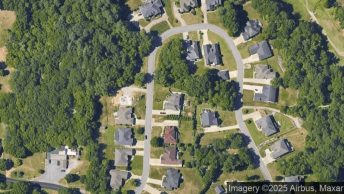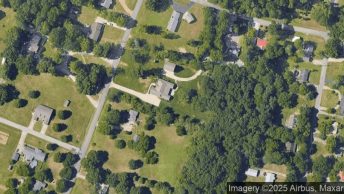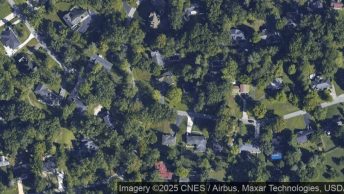
Pineville, nestled in the heart of eastern Kentucky, offers a small-town experience with its population of roughly 1,700 residents. Located in Bell County along the Cumberland River, this Appalachian community serves as the county seat despite its modest size. Pineville presents a mixed picture for potential residents – offering natural beauty and tight-knit community bonds while struggling with economic challenges common to many coal country towns. The cost of living runs significantly lower than national averages, but this reflects limited economic opportunities that have plagued the region since coal’s decline.
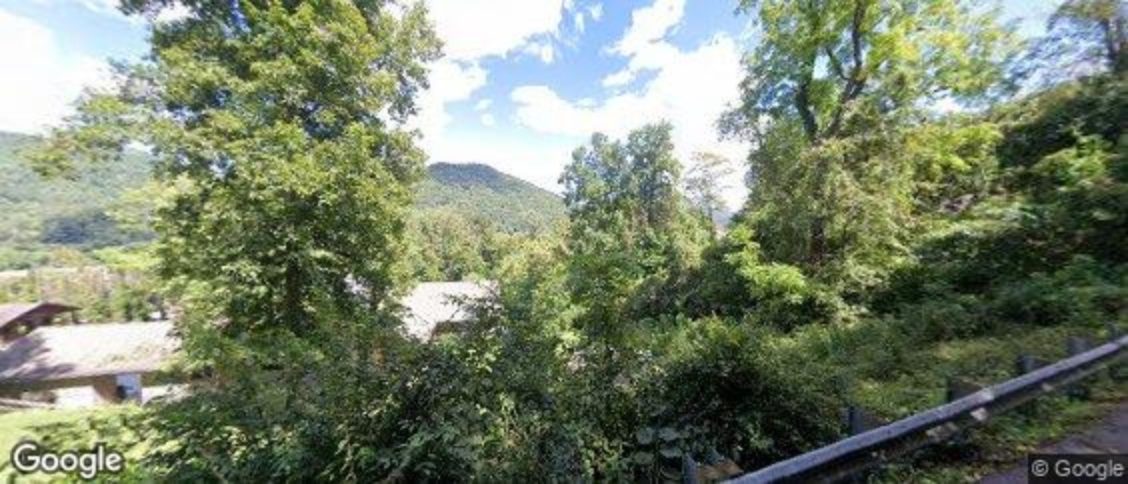
Many locals praise the friendly atmosphere where neighbors know each other by name, but newcomers should understand that Pineville faces real challenges with limited job opportunities and some infrastructure needs. The breathtaking surrounding mountains provide a stunning backdrop to daily life, with Pine Mountain and Cumberland Gap nearby offering outdoor enthusiasts plenty to explore.
Is Pineville safe?
Pineville maintains a safety profile typical of small rural Kentucky towns. Violent crime remains relatively uncommon, with most incidents involving property crimes and drug-related offenses. The opioid crisis has impacted the region, but local law enforcement works actively to address these challenges.
The downtown area around the courthouse square tends to be well-patrolled, while neighborhoods like Wallsend generally maintain good safety records. The more rural areas surrounding the town center experience fewer reported incidents overall.
Locals often note that the tight-knit community serves as an informal security network – neighbors watch out for each other, which contributes to the overall sense of safety. The Bell County Sheriff’s Department and Pineville Police Department maintain visible presences throughout the area.
Is Pineville a nice place to live for families?
Families considering Pineville will find a community that offers traditional values and strong community ties. The slower pace of life appeals to many parents looking to raise children away from urban pressures. However, educational and recreational options have limitations that families should consider.
Schools
Pineville Independent School serves as the primary educational institution within city limits. This K-12 school offers the advantage of smaller class sizes, with students often benefiting from more individualized attention than might be possible in larger districts. The school takes pride in its basketball program and maintains decent academic standards.
Bell Central School Center and Lone Jack School Center provide additional options in the broader county area. Bell County High School serves students from throughout the region. While these schools offer solid foundational education, they face challenges typical of rural Kentucky districts, including limited advanced placement offerings and specialized programs.
Families seeking private education will find very limited options locally, with most private schools requiring significant commutes to larger communities like Middlesboro or even Knoxville, Tennessee.
Family Activities
Pineville offers several family-friendly attractions, with the Pine Mountain State Resort Park being the crown jewel. Families enjoy hiking trails, picnic areas, and seasonal events at the park. The Pineville Community Hospital playground provides a space for younger children, though it’s modestly equipped.
The annual Kentucky Mountain Laurel Festival draws visitors from across the region with parades, crafts, and entertainment. However, families seeking regular organized activities, sports leagues, or cultural programs may find options somewhat limited compared to larger communities.
Is Pineville expensive?
Housing costs in Pineville run dramatically lower than state and national averages, making it one of Kentucky’s more affordable places to live. The average home price hovers around $75,000, making homeownership accessible to many working families.
The Holston Hills area commands higher prices, with some homes reaching into the $400,000+ range for larger properties with mountain views. Fountaincrest similarly attracts those seeking more upscale accommodations, with homes typically in the $295,000 range.
Budget-conscious buyers often look to areas like Burlington, where modest homes can be found for around $180,000. The Inskip neighborhood offers mid-range options around $235,000.
The rental market is quite affordable, with monthly rents averaging around $400 – significantly below state averages. This reflects both the lower property values and limited rental inventory. Most rentals consist of older single-family homes rather than apartment complexes.
While housing costs remain low, prospective residents should consider that groceries and utilities sometimes run higher than in more populated areas due to transportation costs and limited competition.
What transport links are there?
Transportation in Pineville centers primarily around personal vehicles. Public transit options are extremely limited, with no regular city bus service available. The Kentucky Mountain Regional Transportation Authority provides some on-demand services for medical appointments and essential errands, but these require advance scheduling.
US Route 25E serves as the main thoroughfare through town, connecting Pineville to Middlesboro (about 15 miles southeast) and Corbin (roughly 35 miles northwest). Interstate 75 lies about 45 minutes away, providing access to regional hubs like Knoxville (90 minutes south) and Lexington (2 hours north).
For air travel, residents typically drive to McGhee Tyson Airport near Knoxville (about 80 miles south) or Lexington’s Blue Grass Airport (120 miles north). There is no passenger rail service in the immediate area.
What amenities are available in Pineville?
Pineville offers basic amenities covering essential needs, though selection remains limited. For grocery shopping, Long’s Pic Pac serves as the main supermarket in town, while the seasonal Wasioto Farmers Market provides local produce during warmer months.
Dining options cover basic needs with fast food establishments like McDonald’s, KFC, and Dairy Queen. For sit-down meals, SAUCED offers craft pizza and Italian dishes, while La Esperanza serves Mexican cuisine. Local diners provide home-style cooking, though fine dining options are virtually non-existent.
Healthcare services center around Pineville Community Health Center, which provides primary care services. Several independent pharmacies serve the community, though specialized medical care typically requires travel to Middlesboro or beyond. The town maintains several doctor’s offices for basic care.
Recreational facilities include a community swimming pool (open seasonally), a couple of fitness centers, and the Bell Theater, which hosts occasional performances and community events. The local library offers internet access and community programs.
What is the surrounding outdoor area like?
Outdoor enthusiasts find themselves in paradise around Pineville. Pine Mountain State Resort Park, Kentucky’s first state park, sits just outside town limits. The park features over 15 miles of hiking trails, scenic overlooks, and abundant wildlife viewing opportunities.
Main Street Park provides a pleasant green space in the town center, with benches and walking paths along the Cumberland River. The nearby Cumberland Gap National Historical Park (about 25 minutes away) offers additional extensive trail systems and historical sites.
The Clear Creek Wildlife Management Area provides hunting opportunities during season, while the Cumberland River offers fishing spots. Nearby Laurel Lake (about an hour’s drive) provides boating and swimming options during summer months.
So, what’s the verdict?
Pineville offers an affordable, close-knit community surrounded by stunning natural beauty, but comes with the limitations typical of small Appalachian towns. Families seeking a slower pace, outdoor recreation, and strong community bonds will find appeal here, while those prioritizing career advancement, educational options, or cultural amenities may find it restrictive.
What are the alternatives?
Middlesboro, just 15 miles southeast, offers more shopping and dining options while maintaining a small-city feel. Corbin, about 35 miles northwest, provides more amenities and better access to I-75. For those seeking similar mountain charm with more economic opportunities, towns like Harlan and Hazard present alternatives within the region. Those needing significantly more urban amenities might consider Knoxville, Tennessee, though this would mean a substantial commute or relocation.