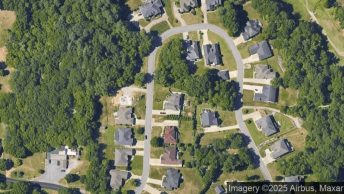
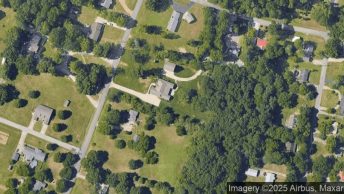
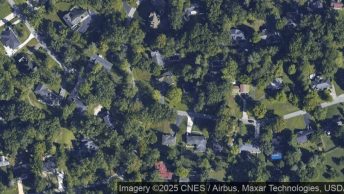
Seneca Gardens, nestled in Louisville, Kentucky, offers a unique suburban enclave with a small-town feel just minutes from downtown. This tiny city within a city spans only about 0.2 square miles and houses approximately 700 residents. Known for its tree-lined streets and well-maintained homes, Seneca Gardens has built a reputation as one of Louisville’s more desirable addresses. But is it really all it’s cracked up to be? Let’s take an honest look at what life is really like in this small community.
Is Seneca Gardens safe?
When it comes to safety, Seneca Gardens consistently ranks as one of the safer areas in Louisville Metro. The community maintains its own small police force that patrols the neighborhood, creating a noticeable security presence that residents appreciate.
Most locals report feeling comfortable walking around at night, which isn’t something you can say for many urban neighborhoods. The area sees significantly fewer incidents compared to downtown Louisville or areas west of the city.
The community’s small size and tight-knit nature means neighbors tend to look out for one another. When incidents do occur, they’re typically minor property crimes rather than violent offenses.
The eastern border along Seneca Park tends to be quietest crime-wise, while areas closer to Taylorsville Road might occasionally see more activity due to the commercial traffic.
Is Seneca Gardens a nice place to live for families?
Seneca Gardens has long been a magnet for families seeking quality schools, green spaces, and a community feel without sacrificing proximity to urban amenities.
Schools
The area is served by Jefferson County Public Schools, with several solid options nearby. Families don’t necessarily have direct access to the district’s most competitive magnet programs without a commute, but the local options are generally well-regarded.
Seneca High School, though technically outside Seneca Gardens’ borders, serves many local teens and offers several specialized programs. Its convenient location means students can often walk or bike to school.
Elementary options like Hawthorne Elementary provide solid foundations, though parents should know these schools face the typical challenges of urban public education systems.
For those seeking private education, Louisville offers numerous options within a short drive, including Kentucky Country Day and Sacred Heart Academy, though competition for spots can be fierce.
Family Activities
The community’s proximity to Seneca Park is a major draw for families. This Frederick Law Olmsted-designed green space offers playgrounds, sports fields, and the popular Seneca Golf Course.
The nearby Farmington Historic Home provides educational opportunities and seasonal events that many local families enjoy.
During summer months, residents can access the Lakeside Swim Club just minutes away – though membership has a waiting list, reflecting its popularity.
The neighborhood itself hosts several community events throughout the year, fostering connections between families and generations.
Is Seneca Gardens expensive?
There’s no sugarcoating it – Seneca Gardens commands premium prices compared to many Louisville neighborhoods. Homes here typically sell between $350,000 and $600,000, significantly higher than Louisville’s overall average.
The housing stock consists primarily of well-maintained mid-century homes on generously sized lots, with some larger, older estates mixed in. The area’s strict zoning regulations help maintain property values but limit new development.
For those finding Seneca Gardens out of reach, nearby St. Matthews offers similar amenities with slightly more housing diversity and price points. Alternatively, the Highlands provides urban charm with varying price ranges depending on the specific area.
Rental options within Seneca Gardens proper are extremely limited, as it’s predominantly owner-occupied. When homes do become available for rent, they typically command $1,800-2,500 monthly, well above Louisville’s average.
The premium prices reflect not just the housing quality but also the community’s reputation, school proximity, and the “Seneca Gardens” address itself, which carries cachet in Louisville real estate circles.
What transport links are there?
Transportation is perhaps Seneca Gardens’ weakest point for those without personal vehicles. Public transit options are limited to TARC bus routes along Bardstown Road and Taylorsville Road, which border the neighborhood.
Most residents rely heavily on cars, and the community’s location provides easy access to major routes. Downtown Louisville is typically a 10-15 minute drive, while the airport can be reached in about 20 minutes outside rush hour.
Cycling infrastructure has improved in recent years, with bike lanes on some surrounding roads, though the neighborhood itself lacks dedicated cycling paths.
For commuters, the centralized location means workplaces throughout Louisville are generally accessible within 30 minutes or less, a significant quality-of-life advantage over some further-flung suburbs.
What amenities are available in Seneca Gardens?
While Seneca Gardens itself has minimal commercial development by design, its location puts residents minutes from extensive amenities.
The Gardiner Lane Shopping Center sits just outside the neighborhood, offering Kroger for grocery needs and several other retail options. For more specialized shopping, the Mall St. Matthews and upscale Oxmoor Center are less than 10 minutes away.
Restaurant options abound in the surrounding areas. Locals frequent First Watch for brunch gatherings, while Sol Aztecas serves as a popular spot for casual Mexican fare. Queen of Sheba offers Ethiopian cuisine that draws diners from across Louisville.
For those seeking nightlife, the area near Seneca Gardens offers several options. The historic Bambi Bar provides a classic neighborhood watering hole experience, while Air Devils Inn occasionally features live music in a casual setting.
Healthcare facilities are plentiful, with multiple doctor’s offices, pharmacies, and Baptist Health Louisville hospital just minutes away. The area also supports several veterinary practices for pet owners.
Fitness enthusiasts appreciate the yoga studios and fitness centers in adjacent neighborhoods, plus the walking/running paths in Seneca Park.
What is the surrounding outdoor area like?
Outdoor enthusiasts appreciate Seneca Gardens’ proximity to the Olmsted Parks system. Seneca Park borders the neighborhood, offering tennis courts, athletic fields, and the popular “Big Rock” area along Beargrass Creek, a favorite spot for families.
Cherokee Park, one of Louisville’s crown jewels, lies just a short drive away with its scenic loop road, hiking trails, and dog park. The connecting Seneca Park loop creates a 5-mile circuit popular with runners and cyclists.
The neighborhood’s mature tree canopy provides natural beauty throughout the seasons, particularly stunning during fall color changes and spring blooms.
Douglass Park provides additional recreational space just beyond the neighborhood boundaries, offering more athletic facilities and open spaces.
So, what’s the verdict?
Seneca Gardens delivers a peaceful, well-maintained suburban experience with excellent access to Louisville’s amenities. The premium price point reflects real quality-of-life benefits, particularly for families prioritizing safety and community feel. However, the lack of housing diversity, limited public transit, and higher cost of entry make it inaccessible for many.
What are the alternatives?
Those priced out of Seneca Gardens might consider St. Matthews for similar amenities with more housing options, or Crescent Hill for historic charm with better walkability. The Highlands offers more urban energy with diverse housing stock, while Jeffersontown provides more affordable family-friendly neighborhoods slightly further from the city center. Each alternative involves trade-offs in location, amenities, or housing types that prospective residents should carefully weigh against their priorities.