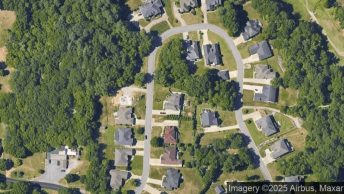
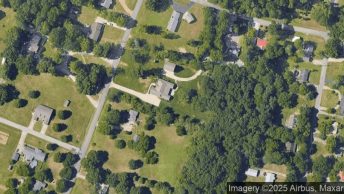
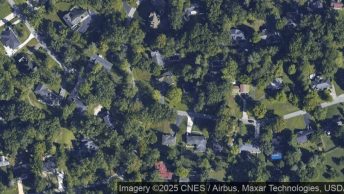
Wayland, Massachusetts presents a unique blend of small-town charm and upscale suburban living about 16 miles west of Boston. This affluent community of roughly 14,000 residents has maintained its semi-rural character despite its proximity to the city. Its excellent schools are a major draw, though the high cost of living presents a significant barrier to entry for many. The town lacks a proper commercial center, which some residents find limiting, while others appreciate the preservation of Wayland’s quiet, residential nature.
The town features several conservation areas and ponds, offering natural beauty throughout the seasons. However, limited public transportation options make car ownership practically essential. For those seeking a peaceful, education-focused community with strong property values and are willing to pay the premium, Wayland offers a compelling package.
Is Wayland safe?
Wayland consistently ranks as one of the safest communities in Massachusetts. The town experiences minimal violent crime, with most police reports involving occasional property crimes like car break-ins or minor thefts.
The town’s police department maintains a visible presence and responsive service, with many officers known by name to long-time residents. The community-oriented policing approach has fostered strong relationships between law enforcement and citizens.
Neighborhoods throughout Wayland maintain similar safety profiles, with no particular areas standing out as problematic. The town’s affluence and relatively isolated geography contribute to its overall security.
The biggest safety concerns typically involve traffic along major routes during rush hour and occasional wildlife encounters, particularly with deer and coyotes in more wooded sections.
Is Wayland a nice place to live for families?
Families are the backbone of Wayland’s community, with the town’s exceptional school system serving as its crown jewel. The family-friendly atmosphere extends beyond education to recreational opportunities and community events designed with children in mind.
Schools
Wayland Public Schools are consistently ranked among the top districts in Massachusetts. Claypit Hill, Happy Hollow, and Loker elementary schools all offer strong foundational education with dedicated teachers and active parent involvement.
Wayland Middle School and Wayland High School continue this tradition of excellence, with the high school regularly sending graduates to prestigious universities. The schools offer robust academic programs alongside strong arts and athletics.
Class sizes remain relatively small compared to surrounding communities, allowing for more personalized attention. The district’s emphasis on both academic achievement and social-emotional learning creates a well-rounded educational experience.
For families seeking private education, options within Wayland itself are limited. However, nearby communities offer alternatives like The Rivers School in Weston and Middlesex School in Concord, though these come with significant tuition costs and competitive admissions.
Family Activities
Wayland offers numerous family-friendly activities throughout the year. The town beach at Lake Cochituate provides summer swimming and boating opportunities, while conservation areas offer hiking and nature exploration.
The Wayland Community Pool offers year-round swimming, and the town’s recreation department runs various youth sports leagues and summer camps. The Wayland Library hosts regular children’s programming including story hours and educational activities.
Seasonal events like the Farmers’ Market, Halloween parade, and holiday celebrations create opportunities for community connection. The relatively tight-knit nature of the town means children often form lasting friendships through school and activities.
Is Wayland expensive?
There’s no sugar-coating it: Wayland ranks among the most expensive communities in Massachusetts. The median home price hovers around $900,000, significantly higher than state averages, making it accessible primarily to upper-income households.
The northern sections of town, particularly around Claypit Hill and the Lincoln border, command the highest prices, with many homes selling well above $1.5 million. More modest options can sometimes be found in the southern neighborhoods, though “affordable” in Wayland is relative.
Housing stock consists primarily of single-family homes on generous lots, with limited condo or apartment options. New construction typically starts above $1.2 million, while older homes requiring updates might occasionally dip below $700,000.
The rental market is extremely limited, with few apartment complexes and mainly individual homeowners renting properties. Monthly rents typically start around $2,500 for smaller homes and can exceed $4,000 for larger properties.
Property taxes reflect the town’s commitment to education and services, running higher than many surrounding communities. This contributes to the overall cost of living.
Nearby Framingham and Natick offer more diverse housing options at lower price points while still providing access to decent schools and similar amenities.
What transport links are there?
Wayland’s transportation infrastructure focuses primarily on car travel, with limited public transit options. This can be challenging for those seeking car-free living.
The town sits conveniently near major highways, with easy access to Route 20 running east-west through town, Route 27 providing north-south connectivity, and Route 30 along the southern border. Interstate 90 (Massachusetts Turnpike) is accessible just south of town, offering quick connections to Boston (about 30 minutes without traffic) and western Massachusetts.
Public transportation is sparse. The MBTA Commuter Rail doesn’t have a station in Wayland itself, though neighboring communities like Lincoln and Weston provide options within a short drive. Some residents drive to these stations for Boston commutes.
The MetroWest Regional Transit Authority operates limited bus service connecting parts of Wayland to nearby communities, but schedules and routes are restricted compared to more urban areas.
Rideshare services like Uber and Lyft operate in the area but may have longer wait times than in more densely populated regions.
What amenities are available in Wayland?
Wayland’s amenities reflect its residential character, with basics covered but lacking the commercial diversity of larger towns. The town center area offers a small collection of essential services rather than extensive shopping or dining options.
Restaurant options within town limits are modest. The Villa Restaurant serves Italian-American classics and has been a local fixture for decades. Mel’s Commonwealth Cafe offers breakfast and lunch with a hometown feel. For more diverse dining, most residents travel to neighboring Sudbury or Natick.
Grocery options include Donelan’s Supermarket for everyday needs and the seasonal Farmers’ Market for local produce. The Wayland Whole Foods Market provides organic and specialty items. Stop & Shop and Market Basket are available in adjacent communities for more economical shopping.
Healthcare facilities include several private medical practices and Wayland Pharmacy for prescription needs. For hospitals, residents typically travel to Newton-Wellesley Hospital or MetroWest Medical Center in Framingham.
The town maintains excellent recreational facilities, including playing fields, tennis courts, and conservation lands with walking trails. The Wayland Town Beach provides summer swimming access.
What is the surrounding outdoor area like?
Wayland’s natural setting is perhaps its most underrated asset. The town has preserved significant green space, offering outdoor enthusiasts plenty to explore.
Cochituate State Park provides access to the 614-acre Lake Cochituate for swimming, boating, and fishing. The park features trails winding through woods and along shorelines.
The Sudbury River forms Wayland’s western border, offering canoeing and kayaking opportunities. Great Meadows National Wildlife Refuge extends along the river, providing critical habitat for birds and wildlife.
Dudley Pond is another local favorite for fishing and ice skating in winter. The Conservation Commission maintains numerous smaller parcels throughout town, including Cow Common, Heard Farm, and Upper Mill Brook, each with walking trails.
The Wayland Town Forest offers miles of trails for hiking, mountain biking, and cross-country skiing. The Bay Circuit Trail passes through Wayland, connecting to a 230-mile trail system circling Greater Boston.
So, what’s the verdict?
Wayland offers an exceptional quality of life for those who can afford its premium prices. The combination of top-tier schools, safety, natural beauty, and proximity to Boston creates a desirable package for families prioritizing education and community.
The trade-offs include high housing costs, limited diversity, minimal public transportation, and restricted commercial options. For many residents, these drawbacks are acceptable compromises for the benefits Wayland provides.
What are the alternatives?
Sudbury offers a similar upscale community with excellent schools at slightly lower (though still high) price points and more shopping options along Route 20.
Natick provides greater housing diversity, from apartments to luxury homes, with good schools and significantly more commercial amenities, including the Natick Mall.
Framingham offers substantially more affordable housing options and urban amenities but with more variable school quality and higher population density.
Lincoln maintains Wayland’s rural character and excellent schools but at even higher price points, with larger lots and more historical properties.