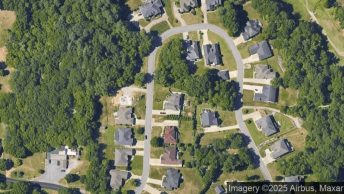
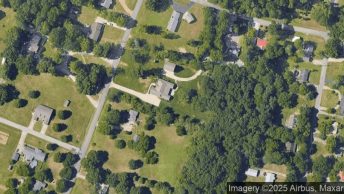
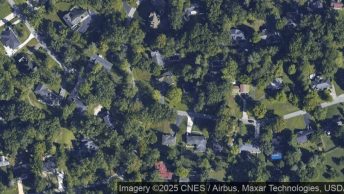
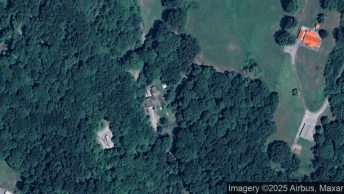
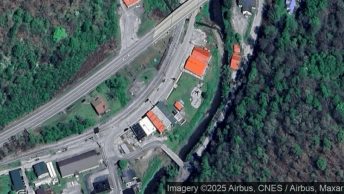
West Point, Kentucky, sits at the confluence of the Salt and Ohio Rivers, offering a small-town atmosphere with a population hovering around 800 residents. This tiny riverside community carries a rich history as a former frontier settlement and military outpost. While West Point provides affordable housing and natural beauty with its river views, it lacks many amenities typically found in larger towns. The community struggles with limited economic opportunities, few local businesses, and residents must travel for most shopping and entertainment options. This honest look at West Point will explore everything from safety concerns to housing costs to help potential residents understand what life in this small Kentucky town truly entails.
Is West Point safe?
West Point generally maintains a safer environment than many other areas in Kentucky. The small population contributes to a tight-knit community where neighbors tend to know each other, which naturally deters some criminal activity.
Violent crime remains relatively uncommon in West Point proper. When incidents do occur, they typically involve property crimes like theft rather than violent offenses.
The town’s small police force serves the community, though response times can occasionally be affected by the department’s limited resources.
Areas closer to the riverfront occasionally experience minor issues with trespassing and vandalism, particularly during summer months when river traffic increases.
Residents often cite the community’s watchful nature as a significant safety factor, with neighbors keeping an eye out for unusual activity.
Is West Point a nice place to live for families?
West Point offers a mixed experience for families, with some notable benefits alongside significant limitations.
Schools
West Point Elementary School serves younger students in the community, providing education through fifth grade. The school maintains small class sizes, allowing for more personalized attention.
The school building itself is aging, and resources can be limited compared to schools in larger districts.
For middle and high school education, students must attend Hardin County Schools outside the immediate area, primarily at Fort Knox Middle-High School or North Hardin High School.
The commute to these schools can be challenging for families, with bus rides often exceeding 30 minutes each way.
Private school options are extremely limited in the immediate area, requiring families to look toward Elizabethtown or Louisville for alternatives to public education.
Family Activities
West Point lacks dedicated playgrounds and recreational facilities specifically designed for children, though the elementary school playground is sometimes accessible during non-school hours.
The riverside location does provide natural recreation opportunities with fishing and river access.
Fort Duffield Historic Park offers hiking trails and historical education about the Civil War era fort.
For organized sports and activities, families typically travel to neighboring communities like Radcliff or Elizabethtown.
Family-friendly events are limited to occasional community gatherings, with most structured activities requiring travel outside town limits.
Is West Point expensive?
West Point stands out as one of Kentucky’s more affordable places to live, particularly when compared to nearby Louisville or even Elizabethtown.
Housing prices in West Point hover around $115,000 on average, significantly lower than Kentucky’s state average. This affordability makes homeownership accessible to many working-class families.
Properties closest to the river or with water views command slightly higher prices, though still reasonable by regional standards.
Older homes in the central part of town represent the most affordable options, with many homes dating back several decades and occasionally requiring updates.
The rental market in West Point is extremely limited, with few dedicated apartment complexes or rental properties. When rentals do become available, they tend to be single-family homes renting below state averages.
For those seeking more housing options while maintaining proximity to West Point, nearby Muldraugh or Radcliff offer more inventory at slightly higher price points.
Property taxes remain relatively low, adding to the overall affordability of living in this small river town.
What transport links are there?
Transportation represents one of West Point’s greatest challenges, with limited options for residents without personal vehicles.
Public transportation is virtually non-existent within West Point itself. No regular bus service connects the town to larger communities.
Highway 31W (Dixie Highway) runs through town, providing direct road access to Fort Knox (about 10 minutes north) and Louisville (approximately 30 minutes northeast).
The town’s location at the confluence of the Ohio and Salt Rivers historically made it an important transportation hub, though commercial river traffic no longer plays a significant role in local transportation.
Most residents commute by personal vehicle to work in Fort Knox, Radcliff, or Louisville, with average commute times ranging from 20-40 minutes depending on destination.
Ridesharing services like Uber and Lyft have limited availability in the area, often requiring longer wait times than in more populated regions.
What amenities are available in West Point?
West Point suffers from a severe lack of amenities, with residents needing to travel outside town limits for most services.
The town has no supermarket, with residents typically traveling to Radcliff or Brandenburg for grocery shopping.
A small convenience store provides basic necessities but with limited selection and higher prices than larger retailers.
West Point has no restaurants, bars, or cafes within town limits, forcing residents to travel for dining options.
Healthcare facilities are entirely absent from West Point. The closest medical offices are in Radcliff, with emergency services requiring a trip to Hardin Memorial Hospital in Elizabethtown or facilities in Louisville.
Banking services, pharmacies, and other basic business services require travel to neighboring communities.
The town does maintain a small public library offering internet access and basic services to residents.
What is the surrounding outdoor area like?
The natural surroundings represent West Point’s greatest asset, with beautiful river views and access to outdoor recreation.
Fort Duffield Historic Park sits atop Muldraugh Hill overlooking the town, offering hiking trails and Civil War historical sites. The fort itself was built in 1861 to protect Louisville and the supply routes along the Ohio River.
The confluence of the Ohio and Salt Rivers provides fishing opportunities, though swimming is not recommended due to currents and occasional water quality concerns.
Otter Creek Park lies just across the Ohio River in Meade County, offering extensive hiking trails, camping, and outdoor recreation within a short drive.
Hunting is popular in surrounding rural areas, with deer and turkey hunting seasons drawing outdoor enthusiasts.
Seasonal flooding can temporarily limit access to some riverfront areas, a consideration for those interested in riverside activities.
So, what’s the verdict?
West Point offers an affordable, quiet riverside lifestyle with natural beauty and a close-knit community feel. However, the severe lack of amenities, limited educational options, and isolation from services make it suitable primarily for those who value seclusion over convenience. The town best serves residents who work at nearby Fort Knox, appreciate rural living, and don’t mind driving for basic services.
What are the alternatives?
Radcliff, just minutes north, offers significantly more amenities, shopping options, and closer proximity to Fort Knox while maintaining reasonable housing costs.
Brandenburg, across the Ohio River, provides a similarly small-town feel but with more basic services and amenities than West Point.
Elizabethtown, about 30 minutes south, features comprehensive shopping, dining, healthcare, and educational facilities with a small-city atmosphere.
Louisville’s southern suburbs offer a compromise between urban amenities and more affordable housing than the city center, though prices run higher than West Point.