Allen, Texas, often flies under the radar when people discuss Dallas suburbs, but this mid-sized city of around 105,000 residents has developed quite a reputation over the past decade. Located about 25 miles north of downtown Dallas, Allen combines suburban comfort with an increasingly urban feel. The city has experienced significant growth since the early 2000s, transforming from a quiet bedroom community into a destination in its own right. With award-winning schools, extensive shopping options, and relatively manageable traffic compared to other parts of the metroplex, Allen has its draws. But it also faces challenges with rising housing costs and a somewhat homogeneous cultural scene. Let’s dive into what makes Allen tick.
Is Allen safe?
Allen consistently ranks as one of the safer suburbs in the Dallas-Fort Worth metroplex. The city’s crime rates fall well below national averages, particularly for violent crime. Most residents report feeling comfortable walking around neighborhoods even after dark.
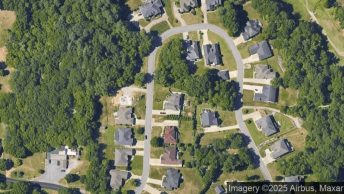
The safest areas tend to be in the western and northern sections of Allen, particularly in newer master-planned communities like Twin Creeks and Star Creek. These neighborhoods benefit from active HOAs and community watch programs.
Areas closer to major commercial corridors, particularly along portions of Stacy Road and near the Allen Premium Outlets, occasionally see higher instances of property crime, primarily car break-ins and retail theft. However, these remain relatively minor concerns in the broader context.
The Allen Police Department maintains a visible presence throughout the city and has developed strong community relations programs. Their quick response times contribute significantly to the city’s overall safety profile.
Is Allen a nice place to live for families?
Allen has built much of its reputation on being family-friendly, and there’s substantial evidence to back this up. The city invests heavily in youth sports facilities, parks, and family-oriented events throughout the year.
Schools
Allen ISD is one of the main draws for families relocating to the area. The district consistently receives high ratings from the Texas Education Agency and features strong academic and extracurricular programs.
Elementary schools like Kerr, Bolin, and Cheatham regularly receive exemplary ratings, with strong parental involvement and well-funded programs. However, some of the older elementary schools in east Allen don’t quite match the facilities of their newer counterparts.
Ford Middle School and Lowery Freshman Center prepare students well for the crown jewel of Allen education: Allen High School. The $60 million football stadium may get the headlines, but the high school offers exceptional academics alongside its athletic programs.
Competition for top class rankings can be intense, with many students vying for limited spots in prestigious universities. This creates a high-achievement culture that benefits many students but can feel overwhelming to others.
For private education, while Allen itself has limited options (Primrose School being one), nearby Plano and McKinney offer several well-regarded private schools including Prestonwood Christian Academy and McKinney Christian Academy.
Family Activities
Allen excels at providing family-friendly activities. The Allen Event Center hosts everything from hockey games to concerts, while Celebration Park offers extensive playground equipment and splash pads.
The Don Rodenbaugh Natatorium provides year-round swimming, and The Edge skate park gives teenagers a dedicated space. Weekends often feature farmers markets, outdoor movies, and seasonal festivals at Watters Creek.
About 70% of Allen households include children under 18, creating a community where family-oriented activities and businesses thrive. This demographic concentration means most city planning prioritizes family needs.
Is Allen expensive?
There’s no sugarcoating it: Allen has become significantly more expensive over the past decade. The median home price hovers around $450,000, which is considerably higher than the Texas average.
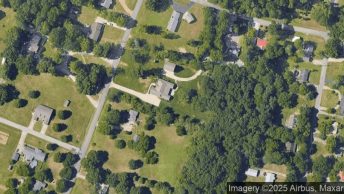
The western portions of Allen, particularly areas like Twin Creeks and Montgomery Farm, command the highest prices, often starting in the $600,000s for modest-sized homes. These neighborhoods feature newer construction, premium amenities, and proximity to top-rated schools.
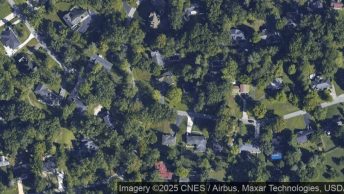
More affordable options can be found in the older neighborhoods east of US-75, where homes built in the 1980s and early 1990s might be available in the high $300,000s. However, these often require updates and renovations.
For those priced out of Allen, nearby communities like Princeton and Melissa offer more affordable housing options but with longer commutes and fewer amenities. McKinney’s eastern neighborhoods also provide somewhat lower price points while maintaining good school access.
The rental market is similarly elevated, with average one-bedroom apartments renting for around $1,400 monthly. The Watters Creek and Twin Creeks areas command premium rents, while apartments along Exchange Parkway offer slightly more affordable options.
What transport links are there?
Allen’s transportation infrastructure is heavily car-dependent. US-75 (Central Expressway) runs through the city, providing direct access to downtown Dallas in about 30-45 minutes during non-peak hours. However, rush hour can extend this commute to well over an hour.
Public transportation options are limited. DART (Dallas Area Rapid Transit) does not currently extend rail service to Allen, though the Parker Road station in Plano is accessible to southern Allen residents.
The city operates limited bus service through a partnership with TAPS (Texoma Area Paratransit System), but routes are restricted and primarily serve seniors and those with disabilities.
SH-121 (Sam Rayburn Tollway) provides east-west access along Allen’s southern border, connecting to the broader DFW metroplex. This toll road offers a faster alternative for commuters heading to Legacy business park in Plano or the DFW Airport.
Bicycle infrastructure has improved in recent years with dedicated bike lanes along Bethany Drive and portions of Exchange Parkway, though the city remains challenging for those without personal vehicles.
What amenities are available in Allen?
Allen has evolved from a bedroom community to a retail and dining destination in its own right. The city offers an impressive range of shopping, dining, and entertainment options.
The Allen Premium Outlets attract shoppers from across the region with over 120 name-brand stores. Watters Creek at Montgomery Farm combines upscale shopping with restaurants in an outdoor setting featuring water features and green spaces.
The restaurant scene has expanded dramatically, moving beyond chain establishments. Local favorites include The Brass Tap for craft beer enthusiasts, Mio Nonno for upscale Italian, and Taco Deli for Tex-Mex with a twist. National chains are well-represented too, with everything from Cheddar’s to Pei Wei.
For groceries, Allen offers multiple options including Market Street, Whole Foods, Sprouts, and several Kroger locations. Tom Thumb and Walmart Neighborhood Market provide additional choices for residents.
Healthcare services are anchored by Texas Health Presbyterian Hospital Allen, with numerous medical offices clustered nearby. The city has several urgent care facilities, including CareNow and Legacy ER.
Fitness options range from large facilities like Lifetime Fitness to specialized studios offering everything from CrossFit to hot yoga. The city-operated Joe Farmer Recreation Center provides affordable fitness options for residents.
For entertainment, Allen Event Center hosts Dallas Sidekicks soccer games and Allen Americans hockey, while Cinemark Allen 16 offers stadium-style movie viewing. Several escape rooms, bowling alleys, and indoor play centers round out the options.
What is the surrounding outdoor area like?
Despite its suburban development, Allen has preserved significant green spaces. The crown jewel is Celebration Park, a 104-acre complex featuring athletic fields, a massive playground, and hiking trails.
Watters Creek Trail provides a 6.7-mile concrete path that winds through the city, connecting neighborhoods to parks and shopping areas. It’s popular with joggers, cyclists, and families out for evening strolls.
Allen Station Park offers historical significance along with recreational opportunities, marking the former site of the Houston and Texas Central Railway stop that gave the city its start.
The Connemara Conservancy lies just west of Allen in nearby Plano, offering 72 acres of protected meadow habitat with natural surface trails. Dayspring Nature Preserve provides a smaller but more secluded natural experience within Allen city limits.
For water recreation, Lavon Lake is just 15 minutes east, offering fishing, boating, and swimming options. The Heard Natural Science Museum and Wildlife Sanctuary in McKinney provides more structured nature experiences just a short drive away.
So, what’s the verdict?
Allen offers a comfortable, safe suburban experience with excellent schools and abundant amenities, but at a premium price point. It excels as a family-oriented community with strong civic pride and well-maintained public spaces. However, those seeking cultural diversity, walkable neighborhoods, or affordable housing may find Allen challenging. The city represents suburban Texas at its most polished – clean, organized, and prosperous, but perhaps lacking some of the character and diversity found in more established urban areas.
What are the alternatives?
For those considering Allen but looking at alternatives, McKinney offers similar school quality with more historical character in its downtown area. Frisco provides even more extensive shopping and dining options with a slightly more diverse population. Plano offers better public transportation connections to Dallas but with higher density. For more affordable options with similar safety profiles, Prosper and Melissa to the north provide newer housing at lower price points, though with fewer amenities and longer commutes.